
Whitelabrecs Blog
Spheruleus: A Retrospective
For this week’s blog post I dive back into my origins and history spent recording as Spheruleus, after having released my final album under this name, ‘The Lost Catalogue’.
I first started making my early experiments with sound in late 2007 after a colleague gave me an old dictaphone recorder. Before long I was making my own dark, musique concrete inspired drones by drenching field recordings in effects and pitch shifting fragments of melody. I enjoyed the whole process of hunting for sounds and upgraded to an Olympus WS-300M recorder. It was meant as a home voice recorder for capturing meetings, lectures and the likes. The sound quality wasn’t great but it worked for me, in terms of starting my journey as an artist.
I won’t share any further background, as in this blog I share ten Spheruleus releases from my discography and how they all came to be. Originally this blog post was just going to be a short blurb and a picture of the album artwork, but it grew into something pretty big! It was quite cathartic to go back and reflect upon my earlier years in music, and some of the challenges I faced along the way. Reflecting on what I was up to, I started raiding my devices and hard drives for photos from around the time of each release. I managed to get one for each year.
Before I dive in, the main reason I wanted to stop recording as Spheruleus, is because I don’t get much time these days to make music so managing work under my own name, as Glåsbird and Spheruleus seemed too much. I decided to let this one go, as quite a lot of the work was experimental and pretty scruffy in nature, particularly in the early days when I didn’t even get things mastered!
FROZEN QUARTERS
Under The Spire
2010
Frozen Quarters was my first ever physical release, on the now-disbanded Under The Spire label. I’d just started getting into buying CDs and so this felt huge. It felt like a big shift to go from digital netlabel music, to a proper indie label pressing small runs of DIY CDs. I was particularly proud to see my name on Boomkat, one of the distribution spaces label boss Chris Edwards had arranged. I recorded Frozen Quarters throughout 2009 when my now wife and I moved in together, renting our first house. I was trying to document the seasons as they changed and the events around this time, to ‘freeze them forever’ as I said in the press release, in ‘a sort of audio vault’. Since I knew it would be temporary given the nature of renting a property, I wanted to capture this experience somehow so that I could look back in years to come with a fond nostalgia. It is littered with sounds of household objects I captured on the very digital recorder that inspired ‘The Lost Catalogue’. Many of these objects have perished - from the tapping of drinking glasses that have since dropped to the ground and smashed, the shaking of rice that has been consumed to instruments that have broken and been thrown away.
I discovered very early in my music-making ‘career’ that documenting sound is the driving force on why I create. Not simply the melody or the technical side of things. The mixture of sudden urges to record, along with whatever accidents should appear in the wave form, is why I love working with Ambient and Experimental music. I’d tried to make Dance music for several years, being a DJ, but whenever I passed my production work around the feedback would be that the ideas were great but the execution could be improved. In other words, I couldn’t mix! With Ambient music, I felt that the more artistic side of capturing sounds and ideas was a way to worry less about technical perfection, to concentrate more on exploring the ideas I had. My ears and new-found curiosity led me to all kinds of new things; in the opening track to this album ‘Vignette’ I climbed into a skip at my old workplace (a furniture store which is now closed) to ‘capture the acoustics’. Looking back now, since it was small and full of cardboard, the acoustics weren’t particularly great at all! More amusingly, I asked a colleague to close the lid of the bin ‘to improve the sound’ - and they played a joke on me; they fetched a wooden mallet and banged it hard on the metal skip! As odd and amusing as it seemed at the time to my former colleagues, the more fitting it has become now it is no longer there. That moment captured some of the camaraderie that got us through some quiet days, and the relentless sales pressure.
My wife and I didn’t live there long as she got a new job in another town and needed to move closer. I couldn’t drive and needed to stay in town to get to my job at the furniture shop. So by the time this album was released in 2010, we were getting ready to move out. This concept of documenting a home environment is something I’ve revisited a couple of times since - more on that later!
RUST
Audio Gourmet
2010
By the time Frozen Quarters came out, the confidence that release gave me led to reaching out to lots of people in the Ambient music community. I’d lined up a release with Hibernate Recordings which I’ll talk about soon, but I need to mention this label here as it’s very much part of the story behind this little EP. I’d been recording more sounds in and around my home, and at work again in the furniture shop. I’d started to really resent my job and the pressure they’d put us under to sell furniture - despite the fact that there were rarely any customers. And the most precious time I had during the day, was my two 15 minute tea breaks. I’d have a cup of coffee, stick on my iPod classic and drift off. But, I found I was getting frustrated, as I’d be getting settled into an album before my boss would come into the break room and demand I get back to work. We’d argue about how long I’d taken to the point where I’d stick a timer on my iPod for fifteen minutes and leave it on the table so I could show him. This gave me an idea for my first record label - a netlabel called Audio Gourmet.
The concept was that each release would be no longer than 15 minutes - so that when I took a break, I could listen in full and feel sort of fulfilled. It was a much better than having the confrontation with my boss! But I felt that the tea break is a universal thing, and people might enjoy this little idea. It was through my conversations with Hibernate’s Jonathan Lees, that I took the plunge to launch it as a label. I had no experience; but he showed me so much and acted as a mentor without realising it. He even built a website and did some of the cover artwork for me. I kicked off the discography with my own lazy, electro-acoustic EP called ‘Rust’. You can even hear sounds of the bicycle I rode into work each day, as my colleagues helped me repair the brakes one quiet Monday evening working a late shift (when the boss was away!). Like a lot of artists, I was eager to just get it out there - the label was launched before I thought too hard about brand, processes etc and the EP isn’t even mastered!
VOYAGE
Hibernate
2011
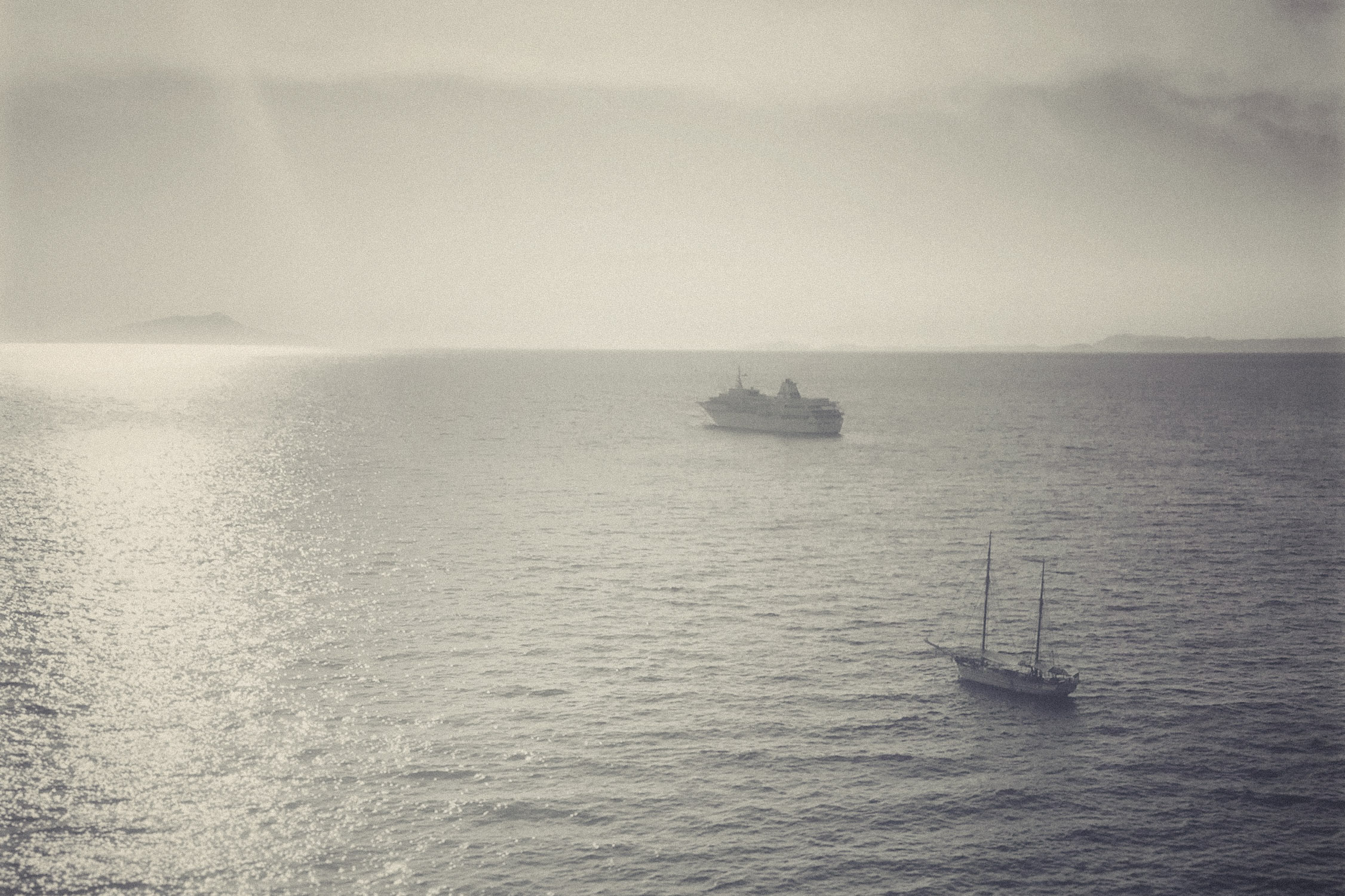
Next up, it’s another nod to Hibernate - I was thrilled to be able to follow up my physical debut, on one of my favourite labels. Jonathan gave a ‘yes’ in 2010 but had a very busy schedule, so I had to wait patiently. This was a chance for me to do the opposite of what I’d tended to do before - rush. We had no artwork, the mixes weren’t finalised and I hadn’t fully realised my concept. One evening at my mother-in-law’s, the TV was on in the background and it was a documentary about ships. I couldn’t hear it, but the visual imagery of giant hulls, shipwrecks, ginormous rusted anchors and the lapping sea, were very powerful. I instantly knew I wanted to a nautical theme for my Hibernate album and started to follow a process which I later deployed in my work as Glåsbird - research! I’d watched the iconic film The Titanic when I was 14 and was gripped so I got a book about it, and then even went on a trip to the Titanic museum with my parents at the O2 Arena in London.
My album concept was clear; it was to be called Voyage. I started to make Ambient music that told the story of a doomed ship from its boarding and setting off, right to its decay deep on the sea bed. This was new as I was no longer documenting my own life like in my previous releases; I was essentially composing to a theme. One of my artists on Audio Gourmet, Alex Tiuniaev, was a pianist and he agreed to play on a couple of tracks. I was very pleased with the album and submitted it to Jonathan. He put me in touch with mastering engineer Rudi Arapahoe and after he’d listened, we chatted on the phone. Rather than just take the money for the job, he took a lot of time to chat me through what was missing in the mixes; mainly bass and some other things sounding a bit flat. He had such a nice way of saying all of this - I explained that the reason some of the things were missing such as the bass, was because I was completely self-taught and hadn’t a clue how to go about creating sub bass for example. Rudi took the time to explain exactly how to do it! I took notes, and was really pleased with how it turned out in the end. Jonathan helped spread the word and we had a decent bit of press coverage, not to mention some distribution in Boomkat once again. The CD looked great - a beautiful digipak sleeve with artwork specifically taken for the project on Anglesey, by photographer Richard Outram and inner photography by Fluid Radio’s Dan Crossley.
DISSOLVE
Self-Released
2012
Speaking of Richard and Dan, my next pick involves them both…By 2012 Audio Gourmet was in full swing and I was in a bit of a situation with Bandcamp - as it was not allowing me to release music completely for free. To that point, running a label had never involved the financial side. Everything I did on the label was made with no investment or consideration for the business side of music and given away for free to people who happened to like it. I was using Bandcamp but as the popularity of the label grew, I was running out of Bandcamp’s free download credits, meaning I’d have to pay Bandcamp to give my music away for free. I’d put my hand in my pocket to give the credits a boost and found I was having to do this more frequently. I never wanted to monetise the label, as I’d never agreed with the artists that this was on the table. There were no contracts or arrangements. It was becoming a bit of a headache.
So, I decided I’d put up longer EPs and albums for sale to hopefully raise money for free download credits, so I could keep it all going. Tracing this back in my head now I’m thinking ‘ah yes Harry, so you made an album just for cash. A bit like Aphex Twin’s mixes for cash’. But, looking back, I realise there was a pretty deep concept to it. After moving back in with my parents, I no longer had a little music room set up. My brother had taken my spacious old room and I was left with a tiny box room, with just enough space for a few CDs, a turntable, a small wardrobe and a single bed. I wasn’t making much music and experienced a bit of creator’s block. I could do all the label admin okay, but on my days off I was rarely able to get the music flowing again.
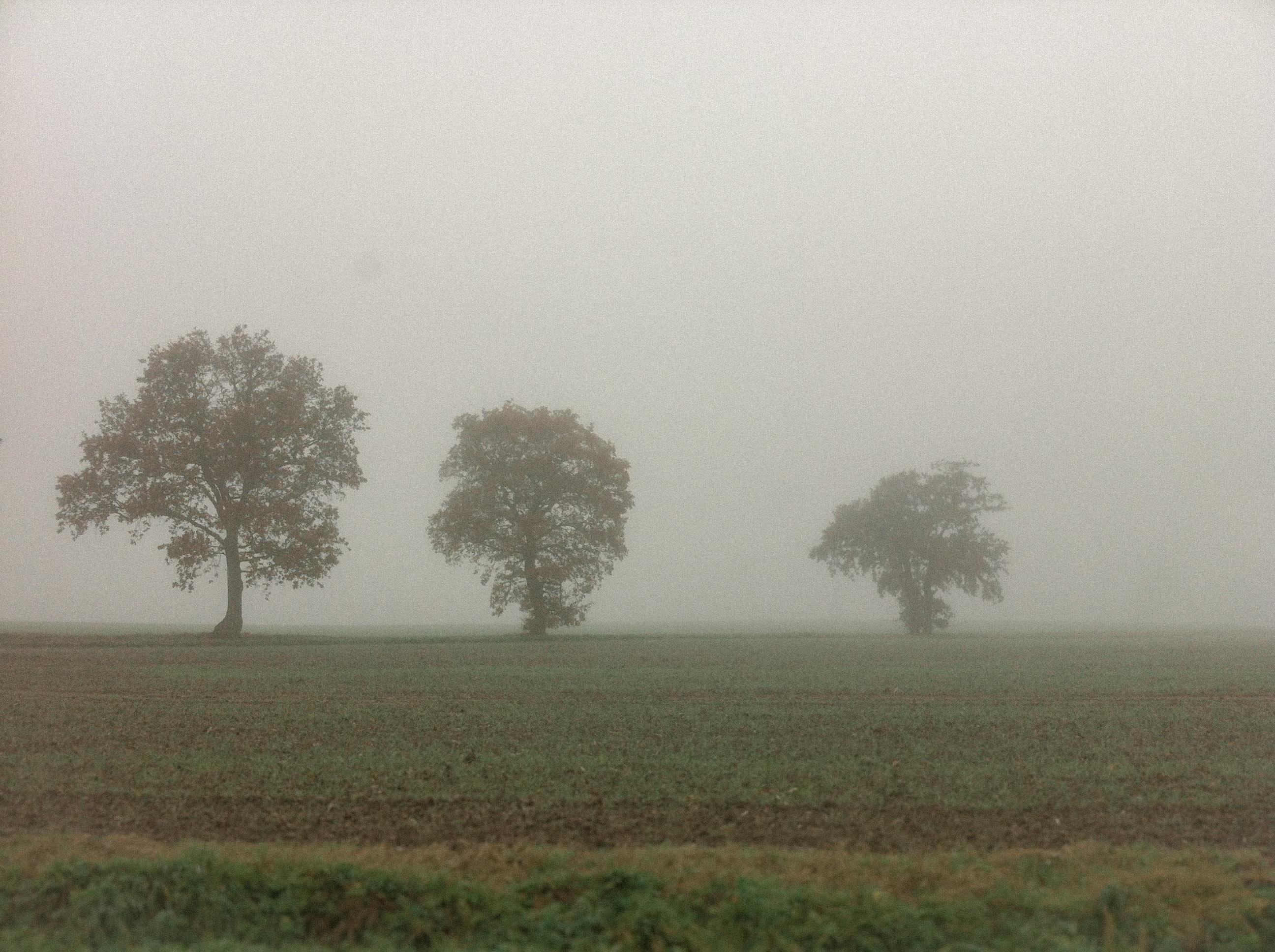
It was Richard Outram’s beautiful image of a lonely house on the Llyn Peninsula in Wales that got me started on ‘Dissolve’. On first glance, this place in the hills would have been the perfect place to breed the kind of creativity I was missing. But I started to think, as I was alone in my parents’ house on my day off, it’d feel pretty lonely and isolated. Visually idyllic, yes - but I wondered if the isolation might sap up the creativity. The word ‘Retreat’ felt so apt as a title for the track I made; a quiet home in the countryside is a retreat. It’s also something you do to get away. Then the B Side was named Dissolve because I was trying to banish away my creative block. But again, it had the dual meaning that one might feel like they’d dissolved and disappeared, living in such a remote space. There was so much in this concept, yet at the same time, it could perhaps relate to different listeners in different ways. I was thrilled at the end of the year, to see that Dan Crossley had named it as one of his favourite records of 2012!
CYANOMETRY
Tessellate Recordings
2012
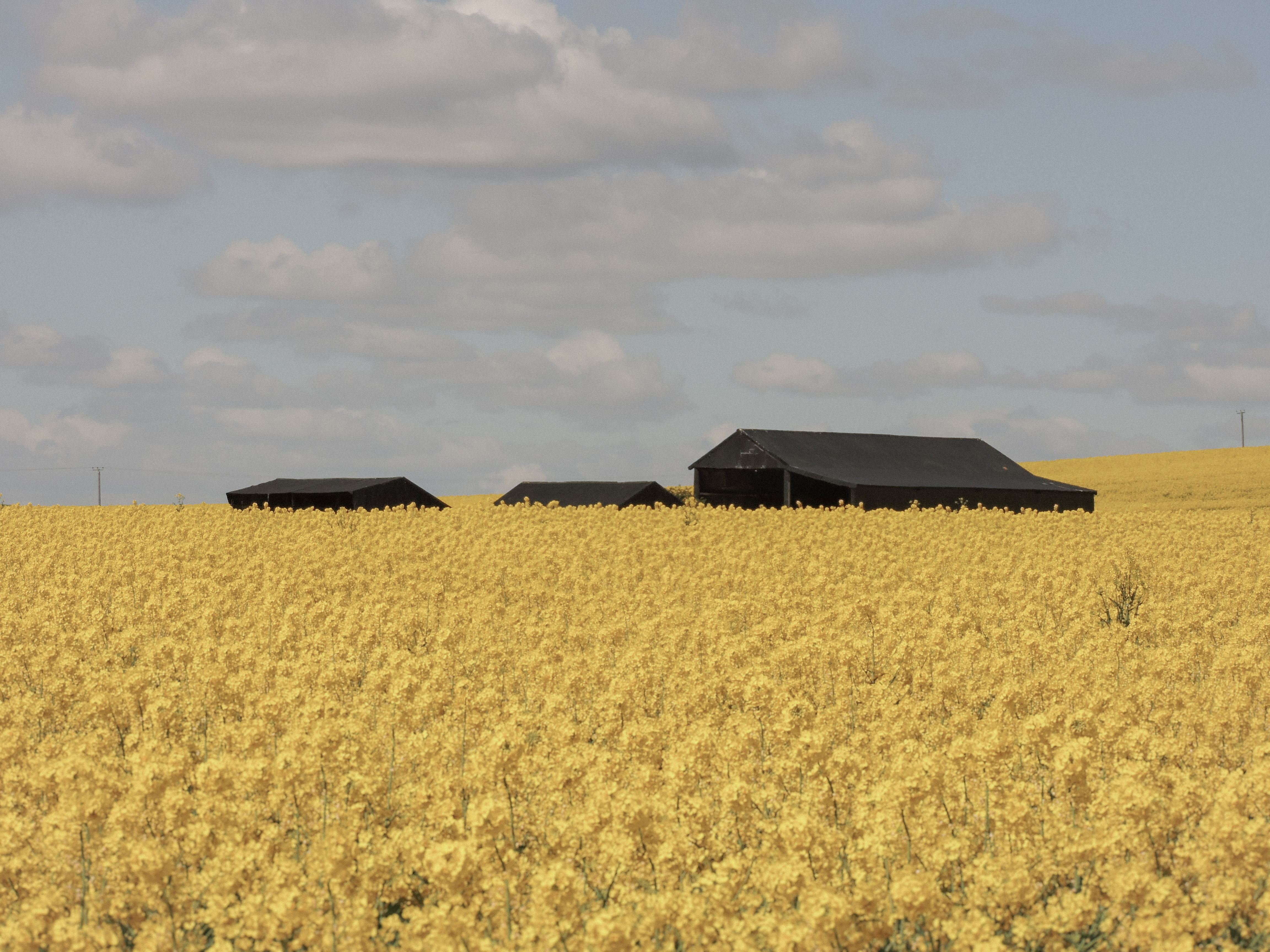
In summer 2012, after an incubation period from the start of the year, I launched a new label called Tessellate Recordings. Almost certainly, the challenges I’d faced with Bandcamp, turned out to be a positive, as it pushed me deeper towards the DIY record label model, like the fine examples many of my friends were running. I’d made a CD compilation or two on Audio Gourmet, and delighting as copies sold across the world. I loved the idea that the hand-made creative ideas I was part of, could land somewhere as far as say Australia. There was an audience of fans out there, waiting for new things to drop. I launched Tessellate trying to follow the Fluid Audio and Under The Spire approach of hand-made card sleeves. The label didn’t last long, as I kept jumping around with my ideas and never properly landed on an identity for the label. But, that’s another story. The first release for Tessellate was my own, inspired by a long walk I took on a bright spring day off. The sky was so clear, and when I got back, I started editing the photos I’d taken and enjoyed the varying shades of blue emerging with different filter effects
I wondered - what makes the sky blue, because above it, it’s just black. I did some research and the press release notes ‘The cyanometer is a circular measuring instrument made from graduating shades of blue, originally created as means to measure the blueness of the sky. It was invented in the late 1700s by Horace Benedict de Saussore to assist his studies and fascination with the sky. He correctly supposed that the level of blueness visible in the sky was as a result of the amount of suspended particles present in the atmosphere’. Musically, I wanted to take some of the spirit of my Dissolve album with the guitar, and develop something that felt more like a collection of fractured Folk songs.
Acoustic instruments and field recordings were punctured by vinyl crackle and radio static, then I even spent an evening with a colleague who was learning piano, recording some notes before we headed out to the pub. Our musical chats even led to me having the confidence to record some vocals on the track Inhibition, once I got home and started to work on the album. I was still working at the furniture shop and whilst I was desperate to get out, I didn’t feel capable for some reason. I felt trapped; I couldn’t drive and I lived in a small town with very few opportunities. Music was a way to dream about the future - and the words in this track had me wrestling with myself, to get on with it, get out of my comfort zone and to give things a shot. Even singing! I’ve always sung to myself but despite making music, I never had the confidence to record my own voice. After I recorded this vocal take, I showed a couple of colleagues and they were encouraging. So the vocal track stayed in! Listening back, I’m quite chuffed with this scruffy little album; even if there’s no bass and I never got it mastered! This track in particular is a weird thing to hear now with hindsight. For starters, I managed to pass my driving test and moved on!
THE POSSIBILITY OF LOSS
Self-Released
2013
I now have a career in the insurance industry and have done since the year 2013. In summer 2012 the furniture shop closed down and I was made redundant. Thankfully, being able to drive did indeed open up my career opportunities! After a short-lived stint working for the family business as a kitchen designer, I threw the towel in on that and took a job as a traveling interior designer. It was the wrong move and I had to leave at all costs - to the point where… a job selling insurance for a pay-cut actually sounded attractive. It was not sales like I’d ever experienced before; it was heavily regulated, even back then. The firm had previously been fined for mis-selling and so training was key for them to be able to convince both the regulator that they’d resolved the issues and restore faith with customers following reputational damage. I was sent away for a couple of weeks on a training course, to learn all about insurance...
I stayed in the outskirts of Rotherham and evenings were spent in my hotel. I hadn’t planned to make an album whilst I was away… especially in such uninspiring circumstances. This was business and my career. But, one thing led to another. The concept of insurance itself, was described to us on day one and there was a statement about risk being ‘the possibility of loss’. I could not shake this statement from my head. It was how I was coincidentally just how I was feeling about this new job; the redundancies and challenges I’d faced at work before still haunting me. My wife and I got engaged and now, things were getting serious. I needed to get my head down, stop day-dreaming and commit to building a future. I was ready to do that after losing the jobs that went before. But, the risk of this not working out was terrifying. I felt a pressure that I hadn’t really felt before, and it wasn’t comfortable. In the first week, I spent my time drinking in the evening and this didn’t help put me in the best frame of mind for training whilst facing these doubts about my future.
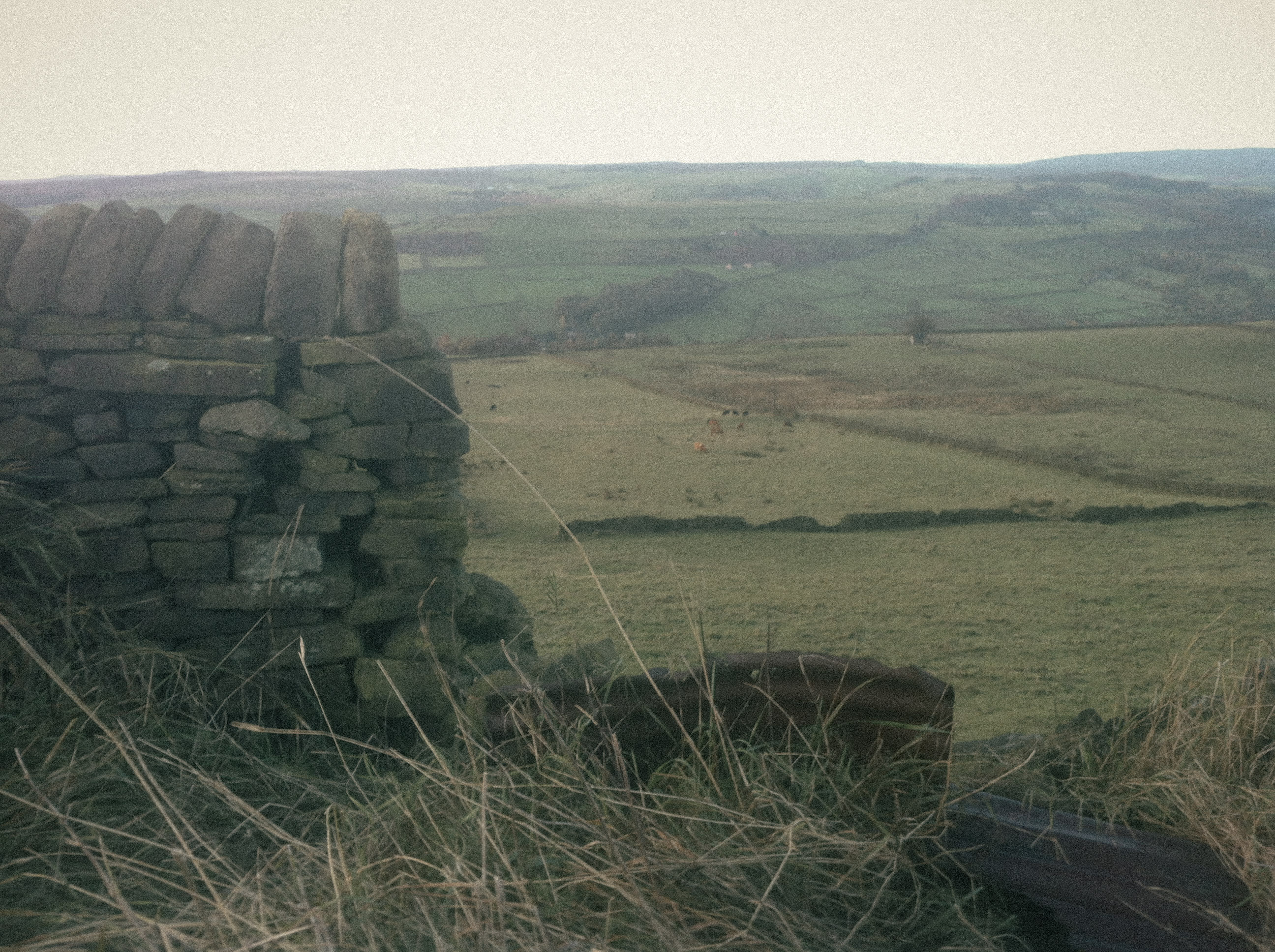
I went home for the weekend, and returned to a different hotel on the Monday of week two. That’s when I took my laptop and guitar, with plans to do something more constructive than sit in the hotel bar. The hotel was in Sheffield this time and I decided that in the mornings, I’d get up early and drive through the city to the edge of the Peak District. The landscapes were so inspiring - I took some photos and used these as the cover artwork and bonus images for each of the digital tracks. At the end of my training I passed my competency test, and was allowed to serve customers. Little did I know, but I was destined to work in insurance, and more specifically risk, and I’ll probably be in this line of work now until I retire. Yes, things can go wrong, but you can protect what you have from harm or at least, reduce the impact should something bad happen. The album itself was self-released; once again, a rushed unmastered digital only edition.
CHRONOTA
Self-Released
2015
For a while, I’d self-release digital only releases on the Spheruleus Bandcamp page and as you’ll have seen above, these were born out of a sudden surge of inspiration, followed by a keenness to just get the music out there. An eagerness to share my ideas would outweigh any sensible thoughts of planning a release properly. And increasingly, I was prioritising releasing music myself ahead of finding a label to partner with. But in the case of this album, the effort and groundwork I’d put in actually took years.
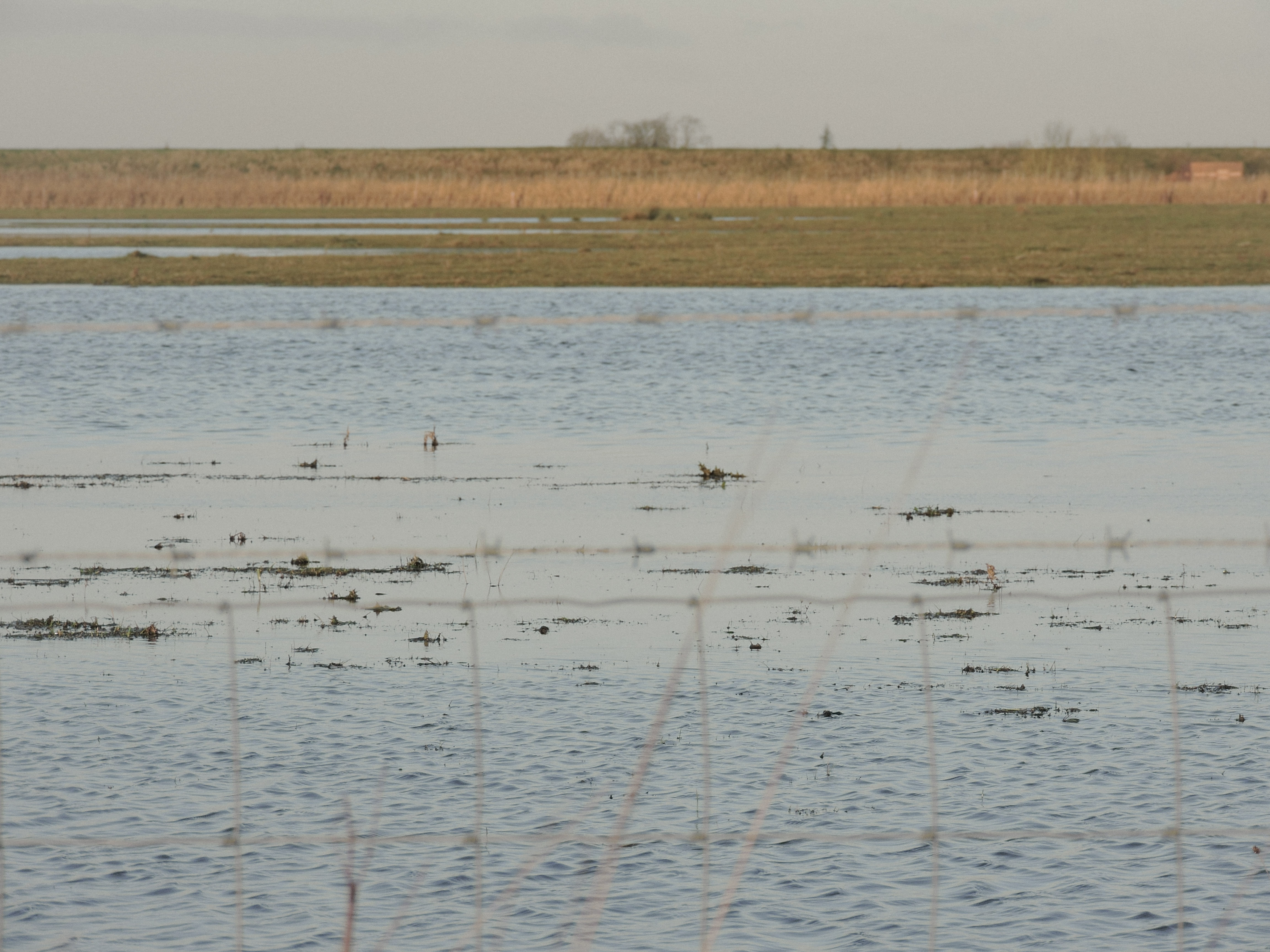
In 2011 I started the year with a project that I intended to take my time on; using my experience with Voyage where taking time yielded stronger results than my usual, rushed approach. Sonically, I was spending lots of time on the small details; sculpting passages of textured vinyl recordings which I’d sampled from a warped 1950s Bush turntable, looping them over and over. Radio static experiments joined the works as well as samples of violin, cello and brass. All the while I felt I had created something special which I needed to develop further - yet, my usual strength of working to themes and ideas were developing but then falling apart. For example, I was originally going to call the album ‘Marginalia’ - based around scribbles in books. I visited a book shop in Stamford and found a book with such marginalia in it. I bought it and then used the ink inscriptions as track titles. But whilst they were great titles, I couldn’t connect with the story. It wasn’t personal and, it wasn’t that interesting to learn about either (like Voyage was).
I started to relate some of the titles to my own circumstances - ‘The Death of Friday’ represented the closed chapter of my DJing career, ‘Goldrush’ reflected a little of how my life seemed to now revolve around responsibility and to keep a level of security, money was vital. I kept working on this album, would have chats with one or two labels expressing an interest in releasing it, but I wanted to feel completely happy with the final result. In the end, so much time had passed, that this struggle actually became the concept itself. The album represented a sonic diary of countless changes over time; me changing my mind, personal progress at work, moving house - I even changed laptops three times during its production! At times, I’d record something, work on the tracks a little, and then leave it all for months - deliberately, so that I could try and forget some of the details that were contained within this strange concept. This turned out to be a good lesson as an artist, as in the past I’d wanted a clear concept to work to, to control all the details. But often, it’s the unexpected, chance-driven ideas that find their way to your work. My one regret with this one, is not releasing it on a label - it might only have taken another few months to arrange something. With this one, there wasn’t a rush, and if anything a wait for a gap in a schedule will have served the concept.
OBSOLARIUM
Whitelabrecs
2016
Before Whitelabrecs and overlapping with Tessellate, I started a House and Techno label called Warehouse Decay. It was inspired by urban exploring and urban decay - photos of abandoned spaces, overgrowth and tired, brutalist buildings. I can see a crumbling building with boarded out windows, crumbling paint and a collapsed roof - to me it’s not an eye sore. It’s beautiful! Yes there’s a great sadness that something’s been left to rot, but you wonder about what that building was like in its heyday - at one stage, someone would have cared about it.
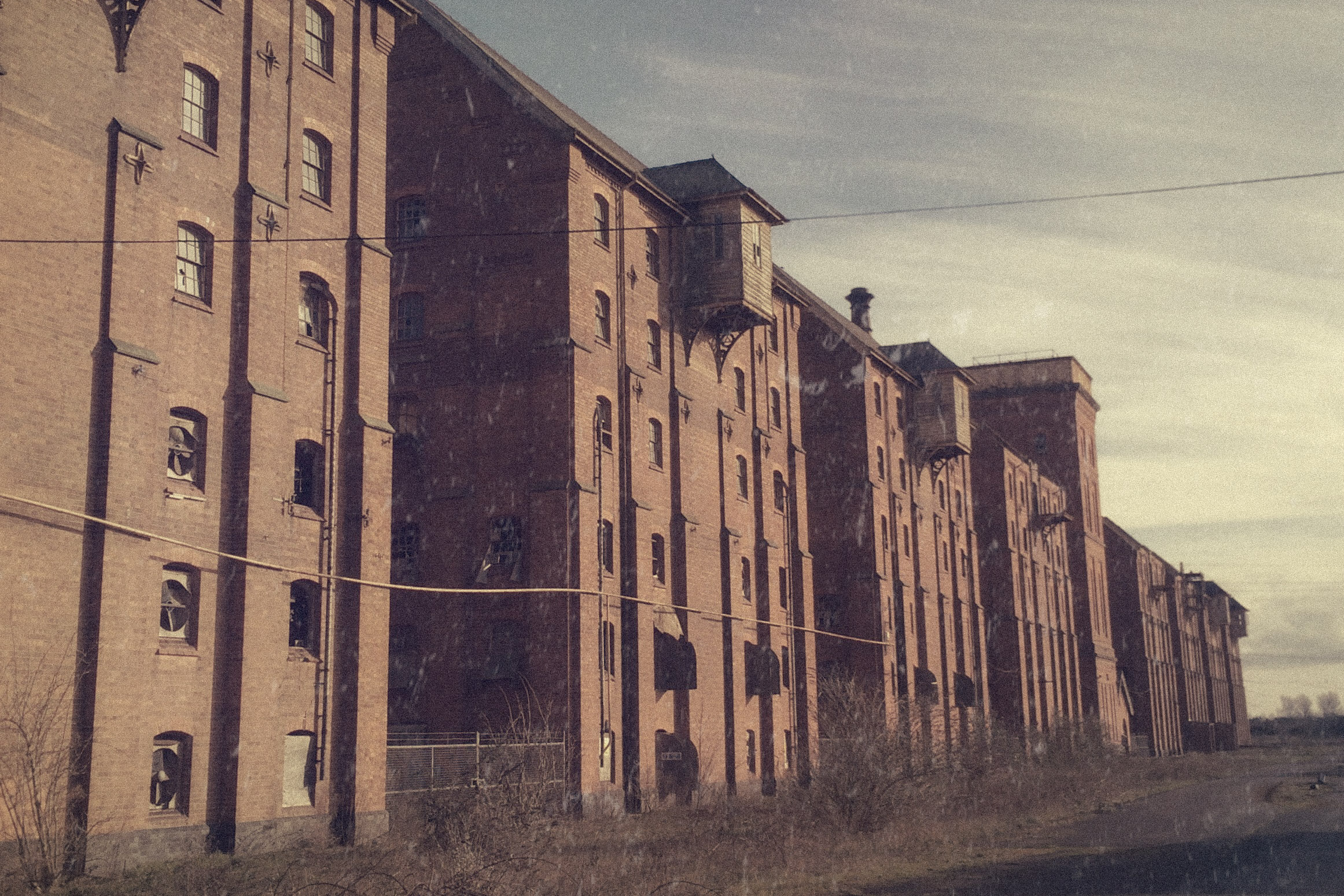
This album, Obsolarium, my first for my then newly launched Whitelabrecs, was a tribute to a group of abandoned buildings. The Bass Maltings in Sleaford was once a thriving brewery - but is now protected by security fences, towering over the surrounding landscape. I managed to get my phone through the entrance gate to capture a shot of the beautiful and towering red brick buildings. The site is protected under a heritage order and even back in 2016 there were countless redevelopment plans to sensitively retain the character of these Victorian buildings. When I made Obsolarium, I wanted to tell a story starting about the Bass Maltings, harking back to the commercial success of this powerful brewery, the rail links used to distribute the produce before descending into a melancholy reflection of what once was, accompanied all the while with a crumbling disintegration.
Sleaford isn’t far away and whenever we drive by I’ll look to the horizon to check that the buildings are still there. I had to include the album on this list, as it came out during the first year of operation for Whitelabrecs. And, 2016 was the year my wife and I became home owners, which leads nicely onto my next record…
LIGHT THROUGH OPEN BLINDS
Lost Tribe Sound
2018
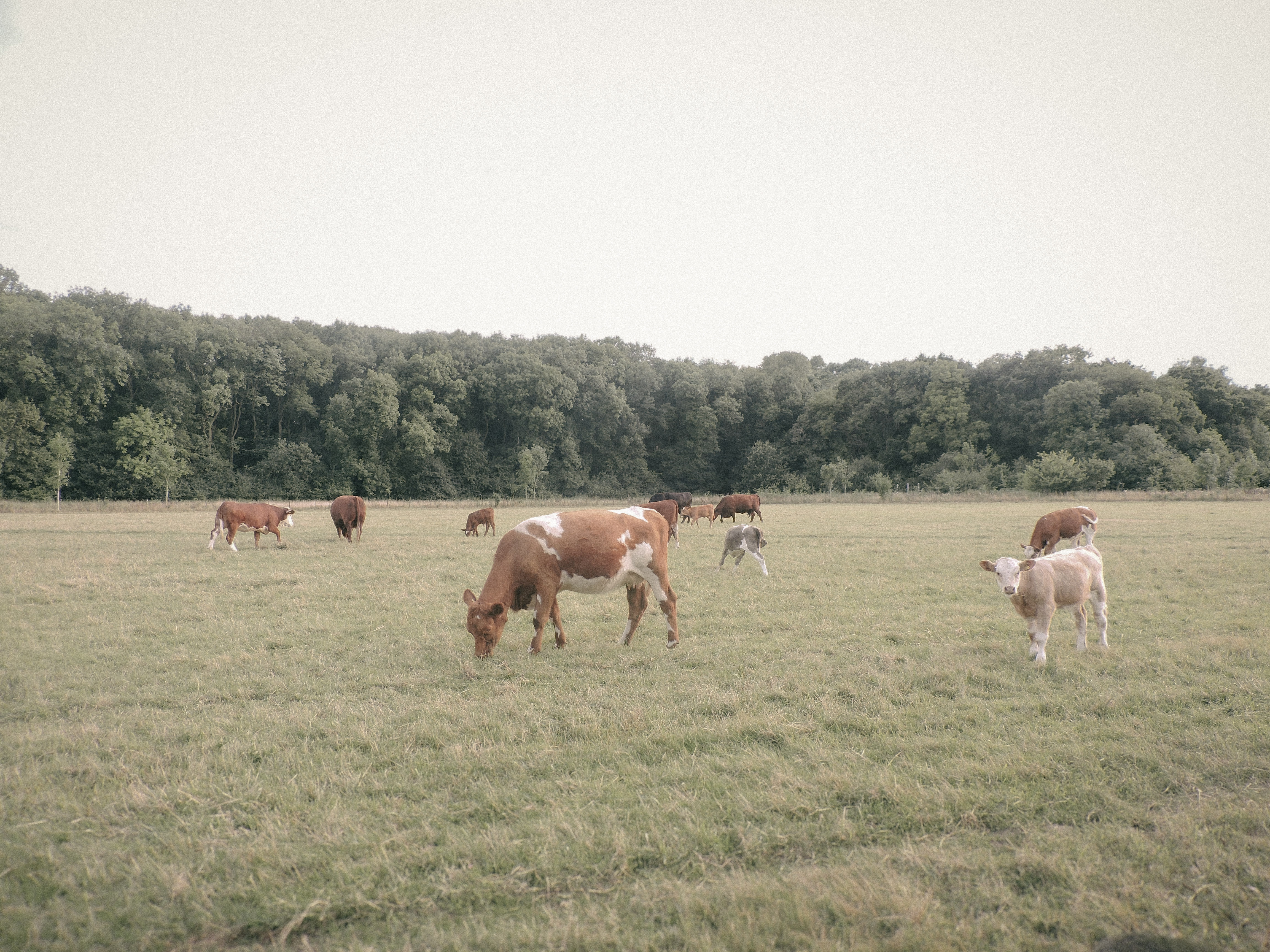
In 2018 one of my dreams came true - I had some of my music released on vinyl! Not only that, it was via the fantastic Lost Tribe Sound label - with a wonderful emphasis on beautiful artwork and product quality. This was really special - I was in awe when I first received my copies. But returning once again to a personal theme, it was the fact that it documented yet another special time in my life that gave this package an extra weight. As mentioned above, we became home owners in Autumn 2016 and not long after moving in, I decided I would revisit the theme from Frozen Quarters.
Once again, I wanted to capture and document life in and around our home. I recorded everything from the sound of me watering the freshly laid turf in the back garden, to the sound of paint strokes on a skirting board and even some acoustic guitar recorded in the loft. I also captured some sounds from our holidays in Italy; you can hear footsteps inside the Duomo cathedral in Verona, and recordings from our trip to the Amalfi Coast. There was a lot of gratitude poured into this album; my earlier career struggles had passed and things were pretty settled on all fronts. Every track tells a story and there’s probably so much detail in there that I’ve forgotten - that only listening to the album can unlock.
Production-wise, Lost Tribe boss Ryan Keane had told me how he’d enjoyed some of my beat-based experiments including Peripheres on Eilean. It was nice to have a green light to bring in percussive elements to this album, as I used every day household objects to create drum hits, snare and in one track, even the beep of a failing smoke alarm makes an appearance!
HOME DIARIES: CANVAS HOMES
Whitelabrecs
2020
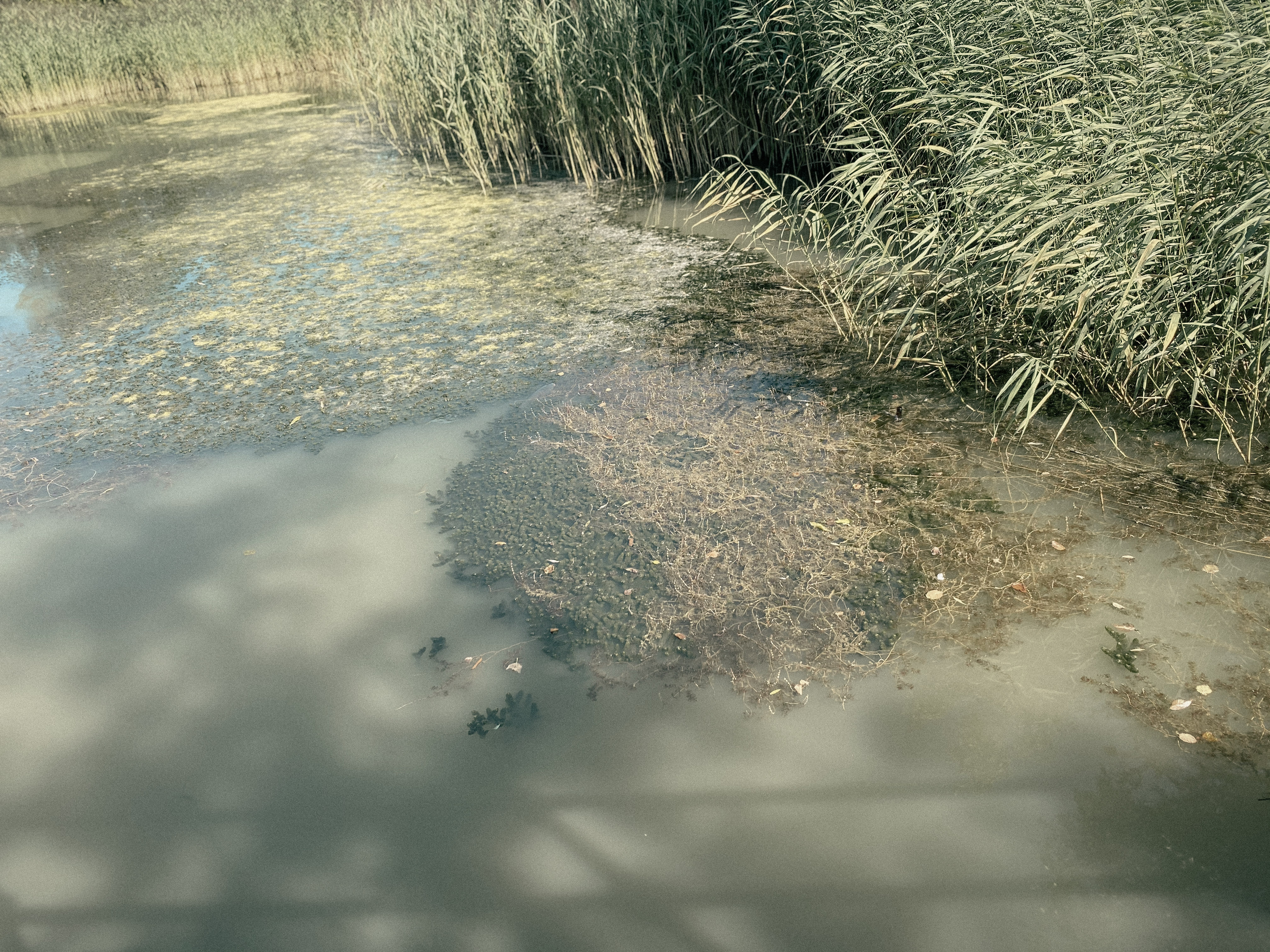
Lastly, we have another personal album, charting yet another big milestone. In April 2020 I found myself stuck indoors like many across the globe, due to the Covid-19 pandemic. My job at the time was a 100 mile round-trip and following the news that we ‘must stay indoors’ I did just that, working from home. My eldest daughter Isla was a toddler and we became her childcare during the day, juggling that around work. I’d sit down stairs in the lounge whilst she played, responding to emails and taking calls. On lunch breaks I began making a daily track using some ukulele and guitar sounds, and Isla’s toy instruments. I knew the situation was big and once again, one of the ways to navigate it was through music.
Seven days into the daily diary, I was furloughed from work meaning that 80% of my salary was paid by the government - but I was not allowed to work. Given that I spent a fortune in fuel, it evened itself out, meaning I wasn’t worse off. Yet, the job for me was a sense of purpose and having it taken away felt pretty tough. It was a bit like redundancy again, and in fact that ended up being my fear for that whole 3 month period. I recorded the track ‘Set Aside’ shortly after the news and this track got me really excited about music again. The fear and weirdness of the pandemic, along with the big challenge of having to halt physical production and the shipping of physical orders, left me feeling a bit flat with the label. There was something so much bigger going on, as we watched the news briefings to hear the daily death toll.
Half way through making my diary of my own experience, I started to wonder - what are other artists doing? What’s it like for them? Are they okay? So I decided to roll out this idea as a concept called Home Diaries, inviting other artists to document their lives for a digital only release on Whitelabrecs. Each contained a PDF booklet with a set interview, where the artists shared what things were like. It was amazing; we managed 30 albums and the interest in the project really grew over that 3 month period. I got a call and was able to go back to work; a huge relief. And this album now whenever I listen, takes me right back to that weird time. Being at home full time, I spent most of my days hanging out with Isla. I’d jam on the ukulele, guitar or other sonic objects and record whilst she was playing. She’s always been a talker! And she babbled on throughout the whole album. This made it extra special, as Isla and the glorious sunshine we had that summer were the shining lights amongst it all. Our daily walks. The laughter we had as she was oblivious to it all.
My final album as Spheruleus entitled 'The Lost Catalogue' is available in a limited repress of 100 gatefold vinyl-effect CDrs, as well as a digital options in a range of high quality formats. You can take a listen to the album in full HERE!
join the community...
get a free 12 track compilation album
be the first to hear the label news
get behind the scenes exclusives
a chance to get involved