
Whitelabrecs Blog
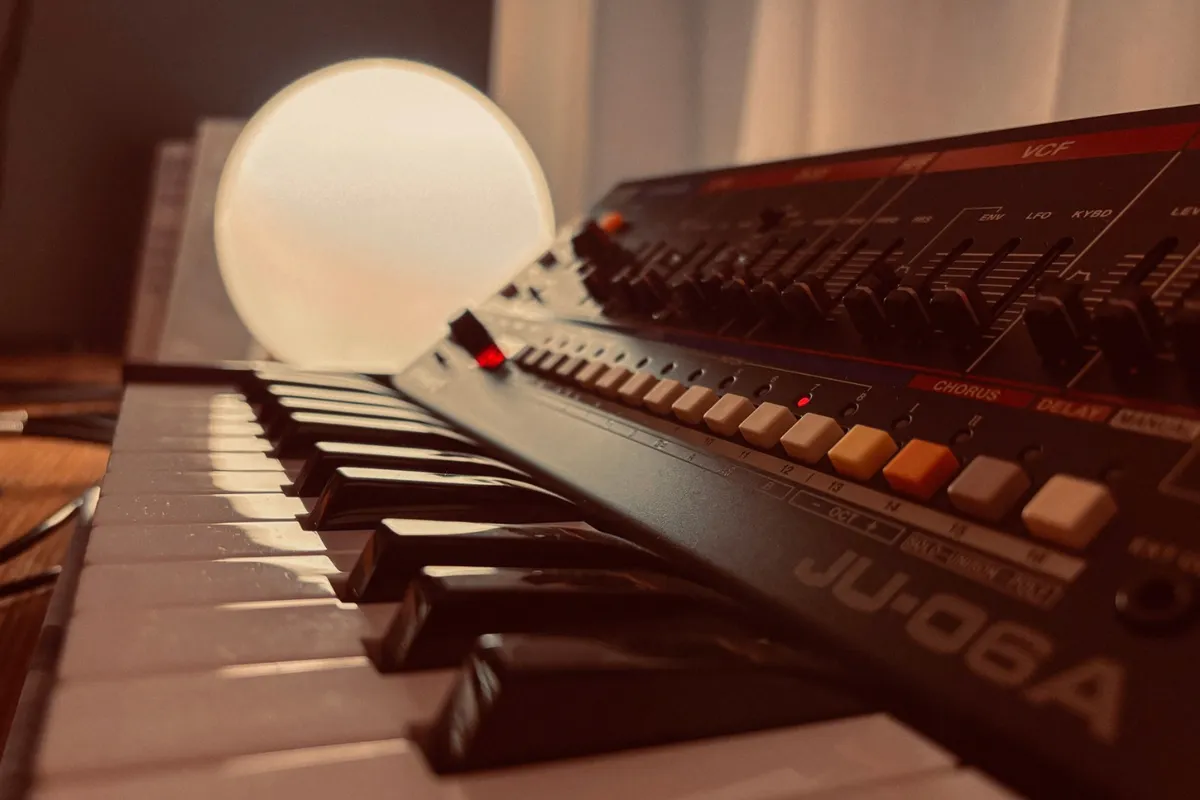
Behind The Scenes with: Sven Laux & Logic Moon
In this week's blog post we head behind the scenes with Sven Laux and Tobias Lorsbach, aka Logic Moon, two Germany-based artists who have each released on Whitelabrecs in various guises over the years. Their new album 'Sea of Grey' marks their third collaborative outing, building on a creative relationship that stretches back some 20 years!
This conversation with Ryan Watts AKA Akira Film Script explores the pair's shared history, the organic process behind their collaborations and the cinematic sound of their latest album. From the influence of film scores and imagined landscapes to the emotional uncertainty captured in the album's title, Sven and Tobi offer an insight into how their individual ideas gradually become something that belongs to both of them. We also look ahead to their forthcoming projects, including a new collaborative EP and a bit of an early teaser on a Whitelabrecs album down the line...
I particularly enjoyed hearing how their long-standing friendship has shaped the music, and how a simple visual image, a vast grey ocean, became an emotional anchor for the album. There's a real sense of trust in the way they work together, allowing ideas to develop in their own time and leaving plenty of mystery in the process too.
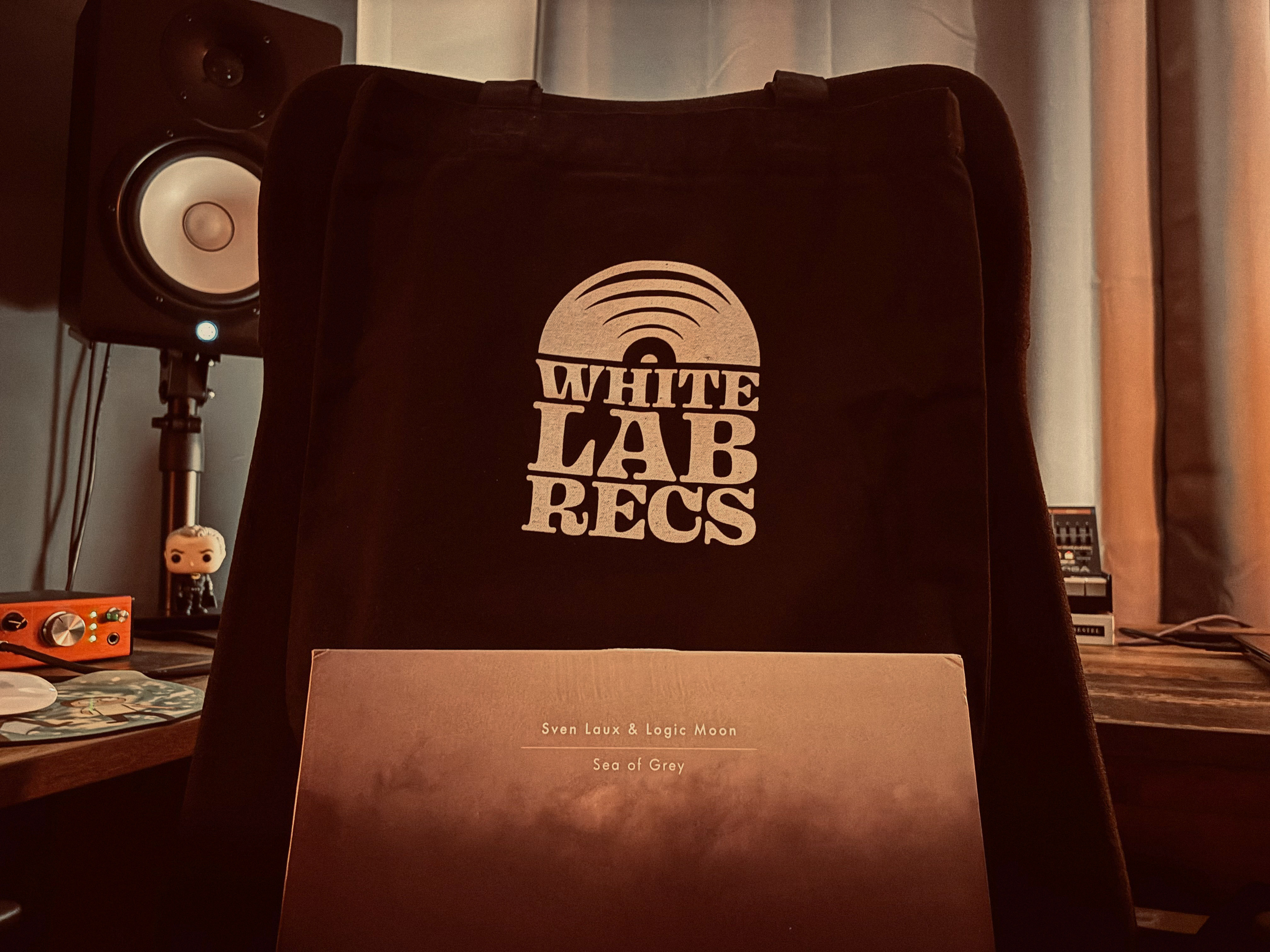
Hey Sven and Tobias, it's great to be able to connect and chat all things around Sea of Grey, your newest collaborative album on Whitelabrecs! I appreciate you both taking the time out of your busy schedules to sit with me. First off, would you both mind introducing yourselves and your respective solo projects for those who might be new to your musics?
Tobias: I'm Tobias, and I make (mostly) dark, cinematic ambient music as Logic Moon (and my new project Aethery Fields). I started the project in 2011, back then still as minimal techno and house, and moved fully into ambient in 2014. The name comes from an Alva Noto / Sakamoto track. Over the years I've released on labels like Whitelabrecs, Archives, Shimmering Moods, or Ambientologist and today I run my own umbrella label, The Moon Records. I'm based in Mainz.
Sven: Ahoy! I’m Sven—I make ambient and post-classical music under my own name. My stuff usually sits somewhere between quiet, textured soundscapes, tape loops, and field recordings, mixed in with classical instrumentation, and I'm currently based in Berlin.
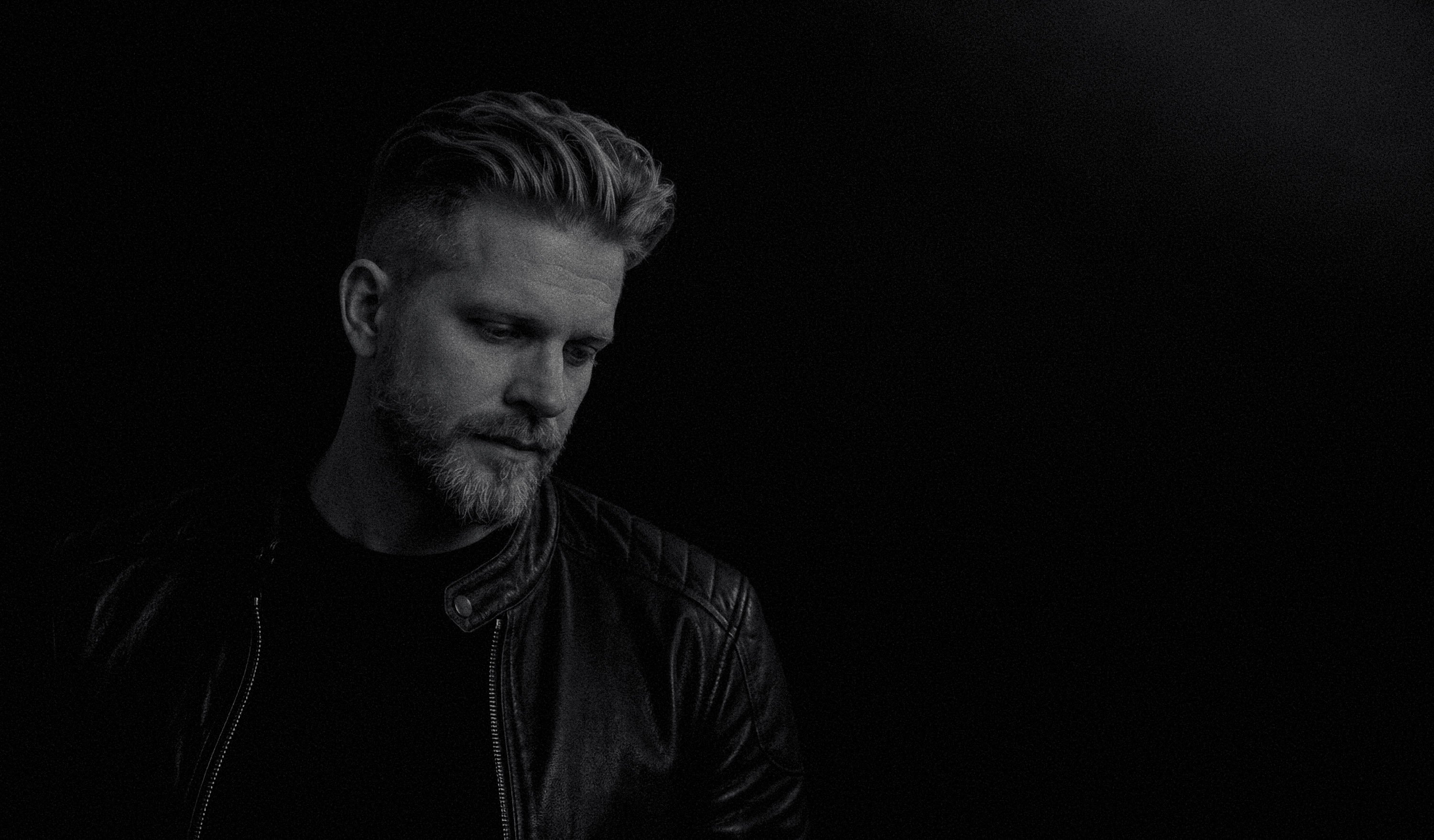
Oh, that's awesome! You're both in Germany and about 6 hours away from each other; how wonderful!
Before we dig in deeper on this specific collection of compositions, how did you two come to meet, and ultimately decide to collaborate? Seeing as you're both located in Germany, and this is your third collaborative outing, had you played live together before, or done other in-person things like sessions for this album or other artistic adventures prior?
Tobias: Sven and I go back about 20 years. We met through my label SpontanMusik, so this isn't a purely online collaboration. We've hung out in Berlin and in Mainz, played records together, and made music together in the same room. That shared history is a big part of why working on albums feels so natural now.
Sven: 20 years already? We’ve grown old. But yes! What Tobi says!
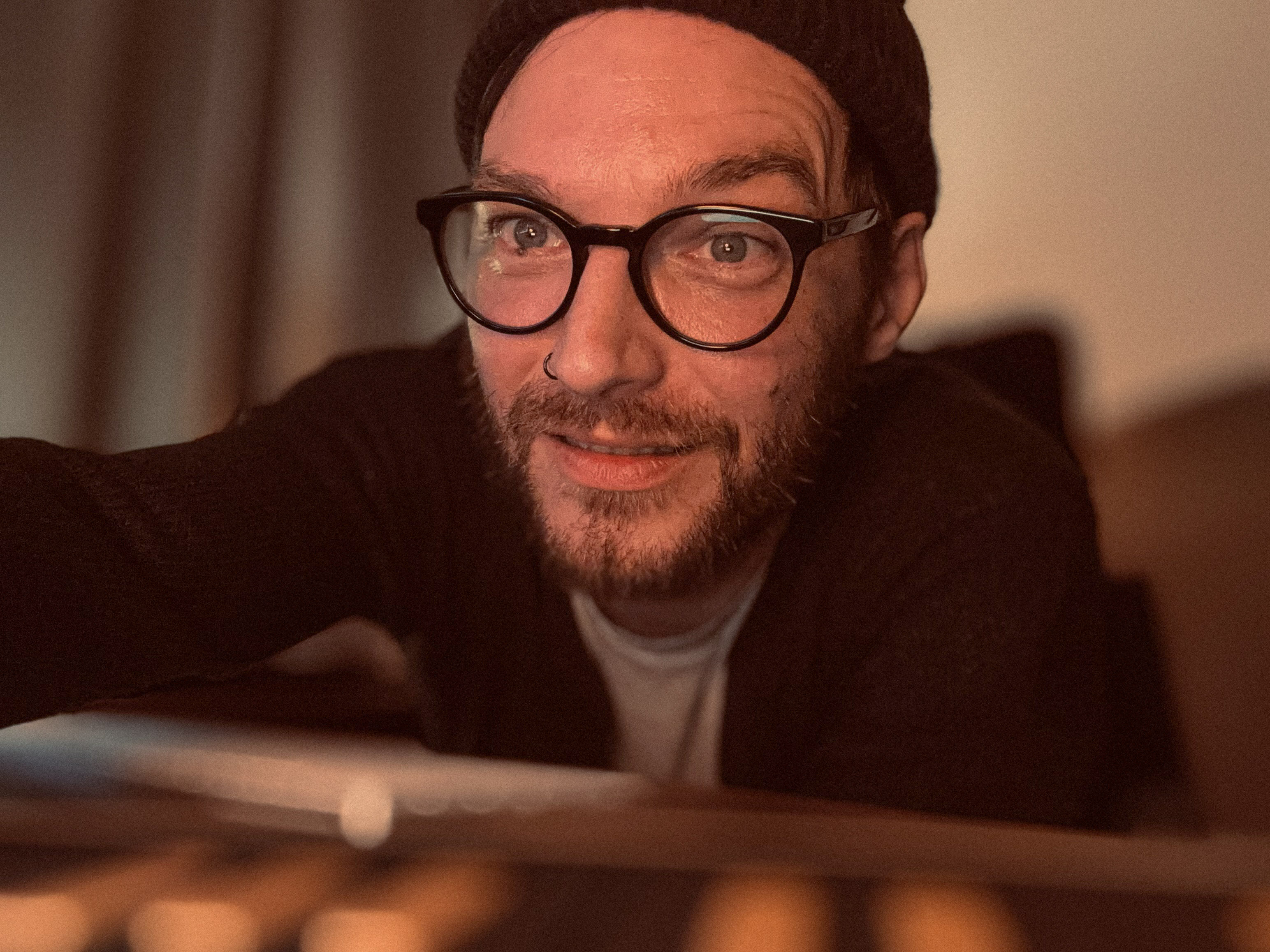
In a day and age where collaborations form and exist at a distance so frequently, it's wonderful you've been able to work in person over a few decades.
Thinking on your third outing, what would you say has developed or grown from within your collective processes from The Unavoidable Death of Loneliness and The Quiet Companion on to Sea of Grey?
Tobias: We've become much more confident and settled in how we work together. That showed on our last album, and it continues on the EP we're currently working on. I honestly think we've managed to raise our quality another notch, both in the writing and in the production.
Sven: We both know what we want and where we’re headed. Some of it emerges during the creative process.
I'm to understand Sea of Grey was a two-year process; how long did the prior collaborative albums take, and have you found yourselves spending more or less time to get a final product together today vs. when you first started collaborating?
Tobias: It's very individual. Usually things move quickly at the start and get much slower towards the end. Each of our albums has taken roughly a year, and Sea of Grey, at about two years, was the longest so far.
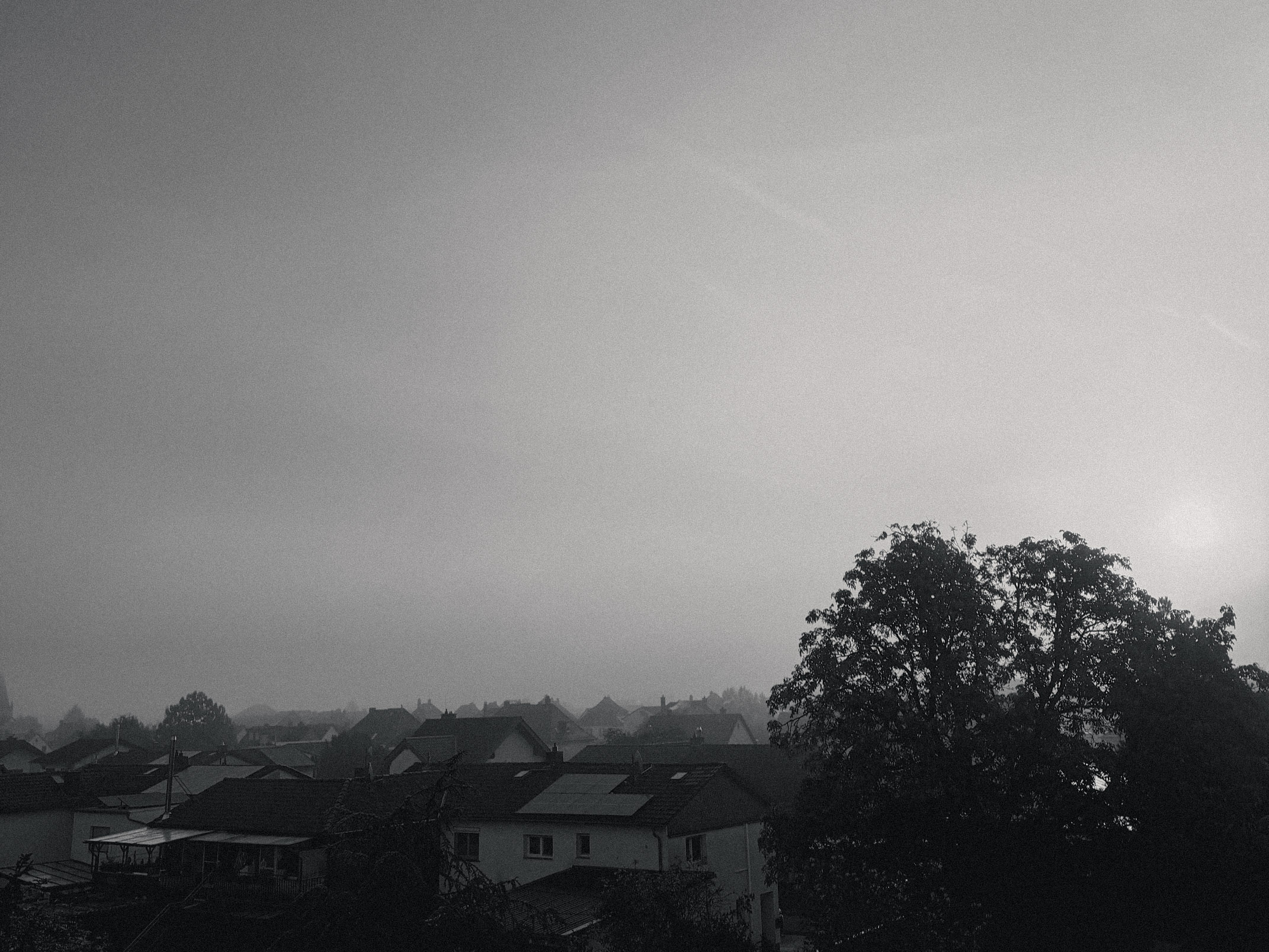
Sven: Yeah, it’s exactly like Tobias said. At the beginning, we actually put together two or three tracks really quickly, and it felt like we had great momentum. But after that initial spark, life circumstances and everyday stuff just got in the way, so the whole process naturally stretched out over two years. In ambient music, taking that extra time isn't necessarily a bad thing though—it gave the tracks room to breathe and settle while we worked through everything else going on.
You make a good point on letting the tracks breathe and settle, Sven.
The music across the album has this wonderful sense of discovery with austere inflections, all while retaining a wildly cinematic tone - in a way, it feels very German, if that makes sense - how much of your surroundings and the history of your living place actively influence your works? Do you feel your music is representing a national identity, or are you looking outwards for inspiration, and a national identity is created more passively?
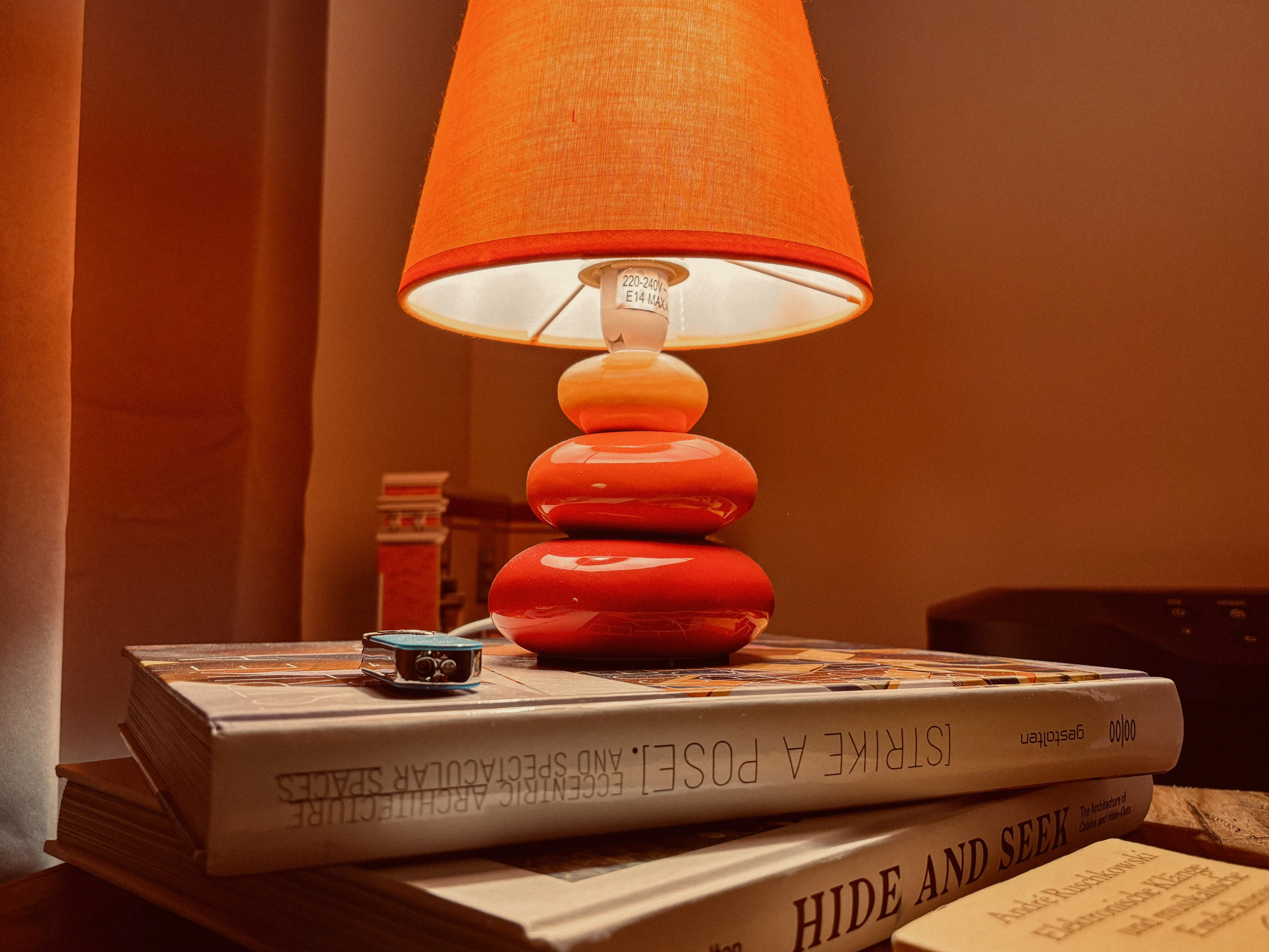
Tobias: I don't think I consciously write "German" music, but I understand why it can sound that way. My influences are actually quite international, from early electronic music like Stockhausen to Ryuichi Sakamoto, Alva Noto and Future Sound of London, and on to Aphex Twin and Squarepusher. If a German sound comes through, I think it happens passively rather than by intention.
Sven: I’d agree with Tobias. I don’t think we set out to create something specifically 'German,' but I can see how those atmospheric and austere elements give off that impression. For me, if there’s a regional influence on Sea of Grey, it leans more towards European—particularly Scandinavian—composers rather than a strictly national identity. The open spaces, light, and quieter textures in Scandinavian music have always resonated with me. So, any sense of identity on the album definitely emerged passively through those shared influences rather than a conscious effort to represent a specific place.
It's wonderful you both channeled so many varied influences into the project; it goes to show in the final product.
Another thing I cannot get over is how much 'Blade Runner' I hear in the works - I think I'd mentioned something in the listening party about the powers that be completely missing out by not hiring you two for the Blade Runner 2099 soundtrack (and I still stand by that statement today) - are either of you big Vangelis fans, or is this just by circumstance that these vibes exist in these works?
Tobias: I actually discovered Vangelis relatively late. But film scores and soundtracks in general are a huge part of how I think about music. As a side project I also write scores and sound design for horror films, alongside the sci-fi side of things. So the cinematic feel is less a reference to one composer and more a way of working. I tend to hear music as a place or a scene. And yes, I'd happily take that Blade Runner 2099 call.
Sven: Honestly, it wasn’t intentional at all to sound like Vangelis or Blade Runner—it’s much more organic and born out of our creative process. Tobias will often send over a synth pad or texture that might subtly carry those cinematic or futuristic vibes. When I hear it, I might think, 'Hey, this has that cool Vangelis feel to it,' and then I’ll start layering elements that lean into that mood just because it fits the track so well. So it’s less about trying to imitate a specific soundtrack and more about catching a vibe during the process and running with it. And like Tobias said—we definitely wouldn’t say no to that Blade Runner 2099 call!
Haha! Ah, in a perfect world your phones would have been ringing for that project.
For these sessions, did either one of you take the lead on creations, or was it pretty 50/50? Was there a fair bit of back and forth, or was it 'he did his thing, then I did mine, fin.' type of process?
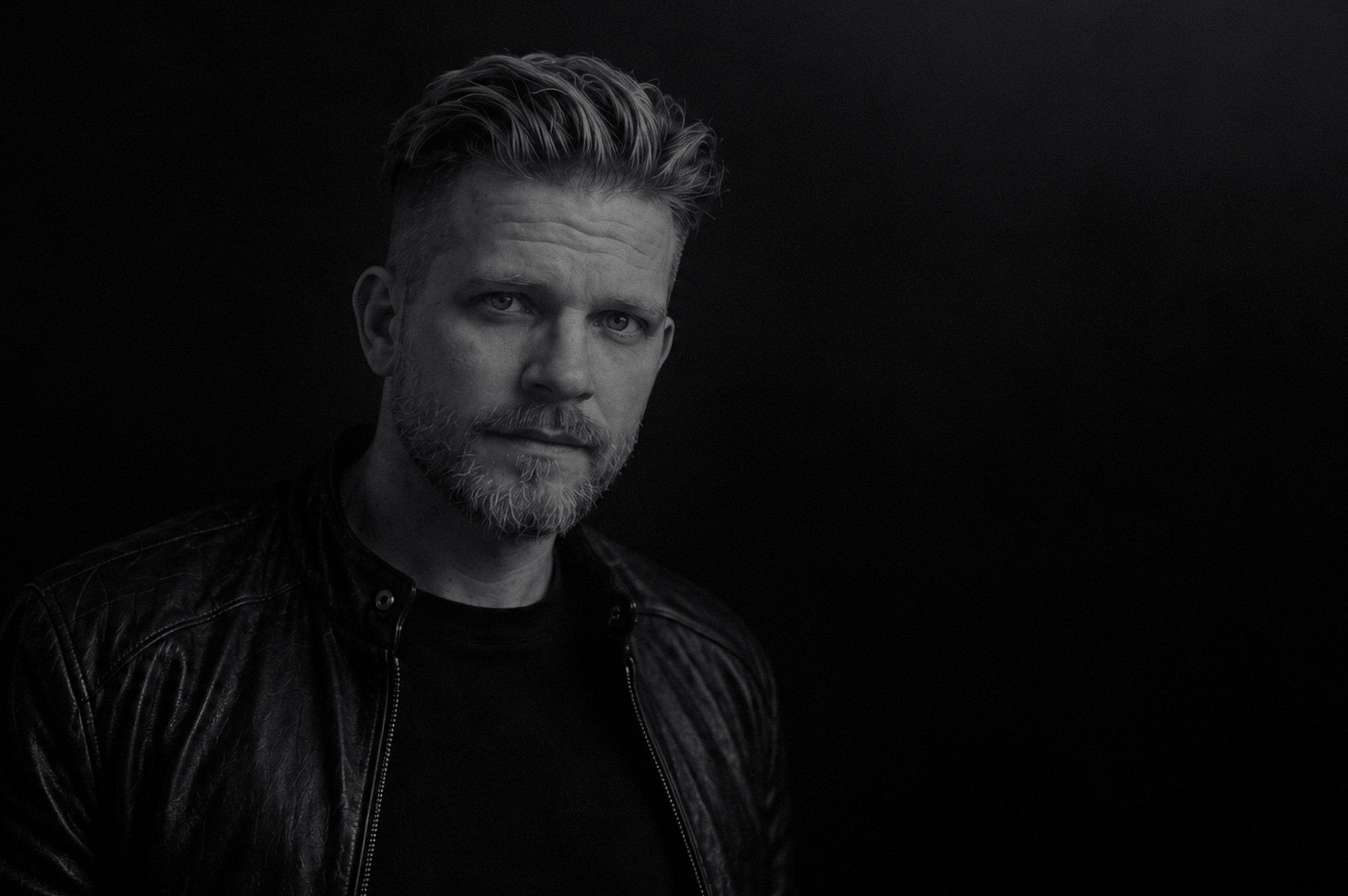
Tobias: That differs a lot from track to track. Some tracks were mostly built by one of us, others mostly by the other, so it's hard to put it into numbers. What matters is that the result feels like it belongs to both of us.
Sven: It really varies from track to track, like Tobias said. Sometimes we’d start with just a rough sketch, and then there’d be a moment late at night where inspiration hit and I’d sit down, completely in the zone, working on taking the track over the finish line. But even in those moments, the key is always leaving enough room for Tobias’s ideas to breathe. It’s definitely not a rigid 'I do my part, you do yours, done' process—it’s much more fluid. We constantly pass things back and forth until it reaches a point where it feels like a true hybrid of both our signatures.
I love that you guys had a more organic process; the end results are very cohesive.
Let’s talk turkey on technology; are we hearing real pianos and cellos, or were you deep in VST-land for these works? What did each of your setups and DAWs look like as you passed files and stems back and forth? And All-star pieces of software or equipment/hardware that defined these sessions?
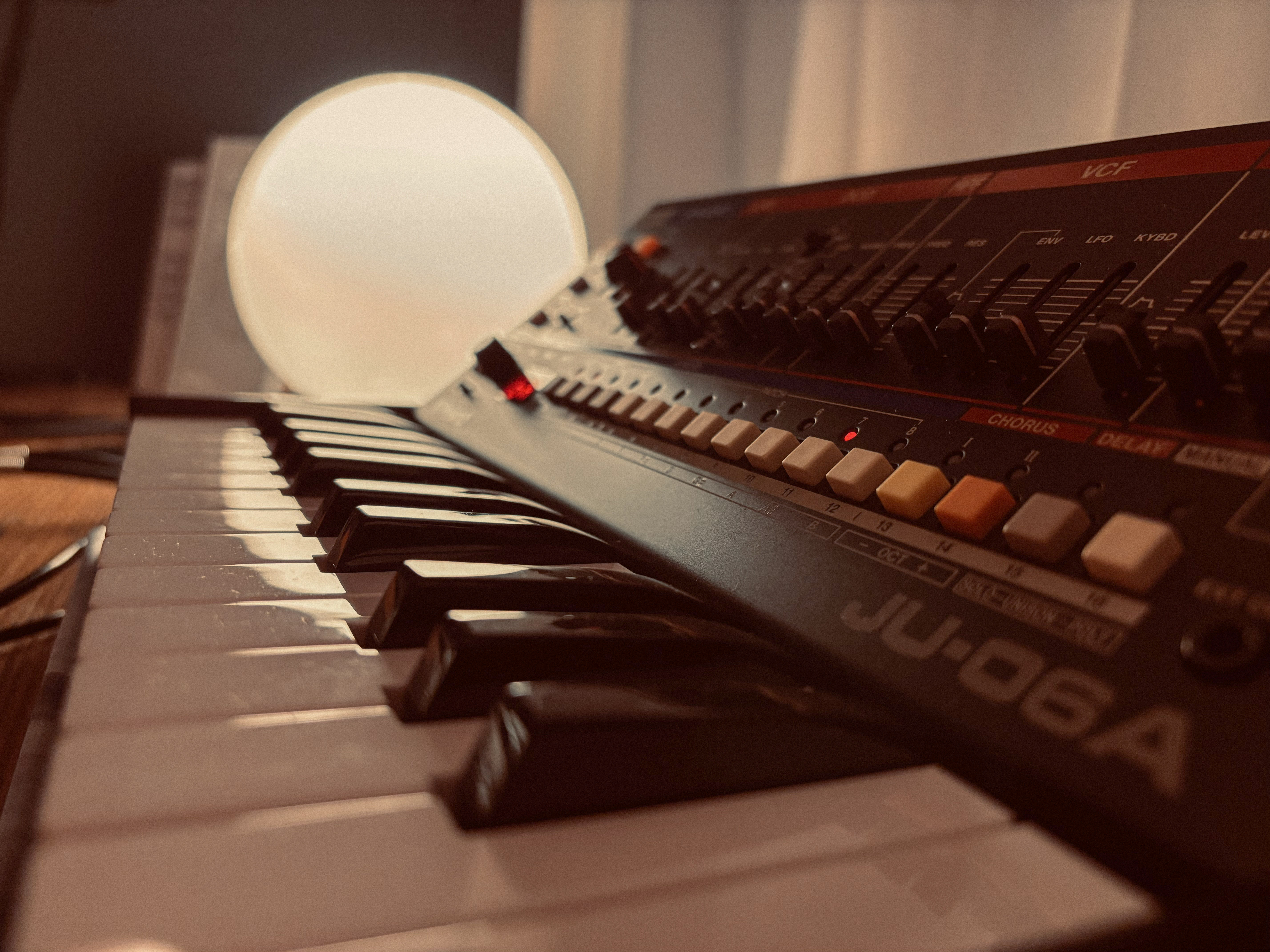
Tobias: I've been through pretty much every setup there is, and today I work almost entirely digitally. Composing and processing all happen inside my laptop, in Ableton Live. The exception is guitar, which I record either with microphones or as an electric guitar. I used to have lots of hardware around me, but I found it mostly a distraction. I work very much towards ideas and results, so I want as much space around me as possible. Sven and I both work in Ableton Live, so exchanging projects is simple. We share everything through my cloud server, nothing fancier than that.
Sven: I actually prefer to keep the curtain drawn a bit when it comes to the technical details and studio gear. Personally, as a music listener, I love a bit of mystery—knowing every single VST, piece of hardware, or exact trick behind the scenes can sometimes take away from the magic and fascination of the music itself. What I will say is that, just like Tobias mentioned, we both work in Ableton Live, which made passing project files back and forth super seamless. But as for the exact recipes and tools behind the sound... I’d rather let the music keep a few of its secrets!
Seems Ableton Live is the all-star then!
Can you tell me a bit more about the album's title? Where did it come from, what was the inspiration, and did it inform the set, or did it come to be after the material was developed, or even completed?
Tobias: Sven has been responsible for the titles so far, and I think he does a great job with them. I'll let him tell you where this one came from.
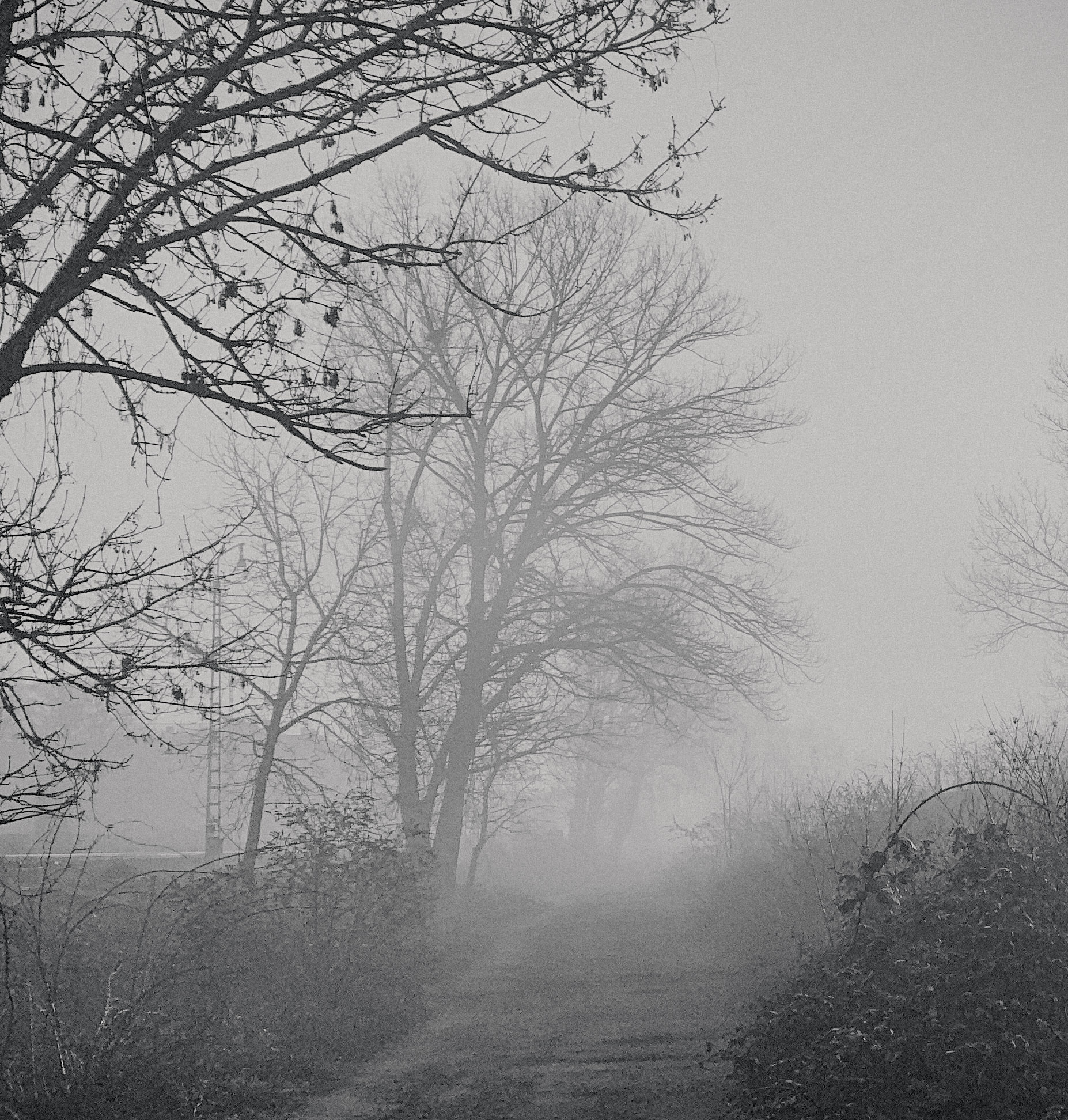
Sven: That’s true—I’ve naturally taken on the task of coming up with the track and album titles for our projects. For me, the title usually comes very early in the process rather than after the music is finished. I need to place myself into a specific visual scene or headspace to create a thematic anchor for what we’re composing. With Sea of Grey, having that image in mind—a rough, vast, grey ocean—gave me an emotional and mental location to anchor to. Once that setting was established, I could completely submerge myself into the mood and let the music flow from there.
I love how it was a visual cue in your mind, which adds all the more to Tobias' cinematic leanings; a great combination!
Now, I'd mentioned earlier the set being cinematic and austere, but it's also very much stricken with emotions painted across the project; was there anything personal going on in your lives that inspired the emotions within this setlist? Anything from the past you drew upon to evoke these feelings?
Tobias: For me, music is the translation of images and emotions into sound waves. It's ordered chaos. A feeling has no edges, and a picture has no sound, so the work is to find the frequencies where they meet. Whatever was going on in our lives, joy, loss, restlessness, doesn't arrive as a story but as weather: a slow front of low drones, a flicker of light in a high texture, a silence that holds more than a melody could. I never decide in advance what a piece should feel like. I let the chaos in, and then I give it just enough order to be heard.
Sven: For me, Sea of Grey serves as a metaphor for life itself. Life isn't just black and white—it’s full of nuances, uncertainties, and shades of grey, with constant highs and lows much like the ocean. You can really trace that idea through the track titles as well. Take songs like 'The Lighthouse' or 'The Arrival'—they represent those pivotal moments in life where you're seeking guidance through a storm, or finally reaching a safe haven after a long journey. So rather than drawing from one specific event, the emotional weight of the album comes from those universal human experiences we all navigate.
Brilliantly stated, both.
So, looking into our crystal balls, what's next for the two of you? Album number 4 that we should anticipate on the horizon? Any upcoming projects, Sea of Grey aside, that you're excited about, solo or collaborative?
Tobias: In 2025 I set myself the goal of releasing something every month, because my output has grown a lot in recent years. I can't fully say why, but it's one of the reasons I founded my own label, The Moon Records, and I'll keep pushing in that direction. More artists are joining now, for example Henrik Meierkord, whose EP Spelrum is already out, and a release with Diogene is on its way. Several collaborations are in progress: a new project with Sven, one with Diogene, and one with Fionnlagh. Sven and I plan to release our EP on my label. Whether things will go towards vinyl, CD or cassette is still open, but print on demand services make that realistic for the first time.
Sven: That’s right—Tobias and I are currently working on an EP for his label, which we’re really excited about. On a personal level, I can also quietly tease that I’ll be releasing an album on Driftworks in 2027. On top of that, I’m already close to finishing another new album that will be coming out on Whitelabrecs in 2028. As for our joint work... well, Tobias, if you have some time, I’d be more than up for starting a new full-length album together! I’m putting that out there now so it’ll be ready in two years. (:
That's wonderful you're both keeping busy with your projects and I'm excited for your EP on Tobias' imprint!
Bit of an oddball question, but my friend Brad and I have been doing this exercise of late, and found the answers from ourselves and others very, very interesting, but what is the most interesting sound either of you have heard this past week?
Tobias: Not a single sound, but a whole record. A friend and colleague of mine, Fionnlagh, with whom I've made music before, just released a very well made EP called To Understand The Why on Ambient Soundscapes, a label under the Valley View Records umbrella. I'd recommend checking it out.
Sven: Honestly? The sound of my own head hitting the desk right after I stood up, having spent hours crouching down to connect and route every single cable in my new studio. Definitely not a sound I’d recommend sampling, but it was certainly the most memorable—and painful—thing I’ve heard all week! (:
Haha. See, always interesting answers to that question.
As you know, we're always sharing what we're listening to, past and present, in the Inner Echo community; what are some recent albums you've both been enjoying, and what are some stone-cold classics you always return to over the years?
Tobias: My taste is very broad, but most of what I listen to falls into ambient, which is what I consume most during the day while working, and from there towards electronica and IDM. When I train I don't listen to ambient at all, but to pretty hard metal. I used to be a metal musician myself, and that music still fits certain situations best.
Two recent records I can recommend: Where Light Pauses in the Silence of the Sun by Abul Mogard and Rafael Anton Irisarri, and Enth by Arovane and Taylor Deupree, which came out this year. If you like the latter, their first collaboration, Skal_Ghost, is worth a listen too.
My absolute classics are all the albums by Ryuichi Sakamoto and Alva Noto, the old Selected Ambient Works albums by Aphex Twin, and the first Black Dog album, Spanners, which I bought as a teenager.
But what really led me to ambient was a radio show on a local station, Voyager with Peter Luke. It played new music, ambient, early electronics, musique concrète, and I recorded it on cassette tapes. That was even before I found techno, so it was the very first electronic music I ever consumed. I was around 14.
Sven: As a contrast to the ambient and cinematic music we create, I actually find myself listening to very different genres. Ever since 2021, I Don’t Live Here Anymore by The War on Drugs has been a record I constantly return to. It’s deeply emotional, but in a completely different way than ambient music. Honestly, I rarely have the time to dive deeply into contemporary classical releases these days, but one recent album I’ve been listening to is Friendship Survival Guide by Adam Wiltzie and the late Jóhann Jóhannsson. And speaking of classics I always return to over the years, the music of A Winged Victory for the Sullen is something that constantly remains a huge anchor for me.
Seeing as you're regionally somewhat relatively close, any plans to perform together to support this release live? Any solo live shows or other exhibitions of note that either of you have coming up you'd like to plug for readers in your area of the world?
Tobias: Live has come up several times over the last few years, but I still haven't put together a real live performance, because it's not as simple as it sounds. The idea is definitely still alive, though, and things can change quickly. If we find the right concept, we'll follow through with it. Livestreams, for example on YouTube, are also an option. You can find my music and news at https://logic-moon.de, and you're welcome to join The Moon Records (sometimes I write a newsletter): https://the-moon-records.de
Sven: I’ve actually always wanted to build a live set, but my expectations for playing live are extremely high. There are just so many parameters, details, and elements that I’d want to tweak and manipulate in real time, and to be completely honest, I currently lack the time and energy to prepare a performance to that standard. That said, I’m genuinely very content with my output as a composer and producer. Having a label like Whitelabrecs in my corner is a real honor, and that’s something not every musician gets to experience, so I'm very grateful for where I am.
I greatly appreciate both of your times today - it's been an absolute pleasure - and, until next time!
Tobias: Thank you for having us, and thanks to everyone in the Inner Echo community for listening. Looking forward to the next conversation.
Sven: Thank you so much as well! I have to confess, it wasn't always easy to answer some of these questions and travel back in time to the exact moments when we were making the album. But it was a wonderful experience to reflect on the whole process and everything behind it. Thanks a lot for having us, and until next time!
We hope you enjoyed this interview! To explore more about the artists, you can follow the links below...
SVEN LAUX
LOGIC MOON
'Sea of Grey' is available in a limited repress of 100 vinyl-effect CDrs, as well as a digital options in a range of high quality formats. You can take a listen to the album in full HERE! You can also order a print-on-demand vinyl copy HERE.
join the community...
get a free 12 track compilation album
be the first to hear the label news
get behind the scenes exclusives
a chance to get involved