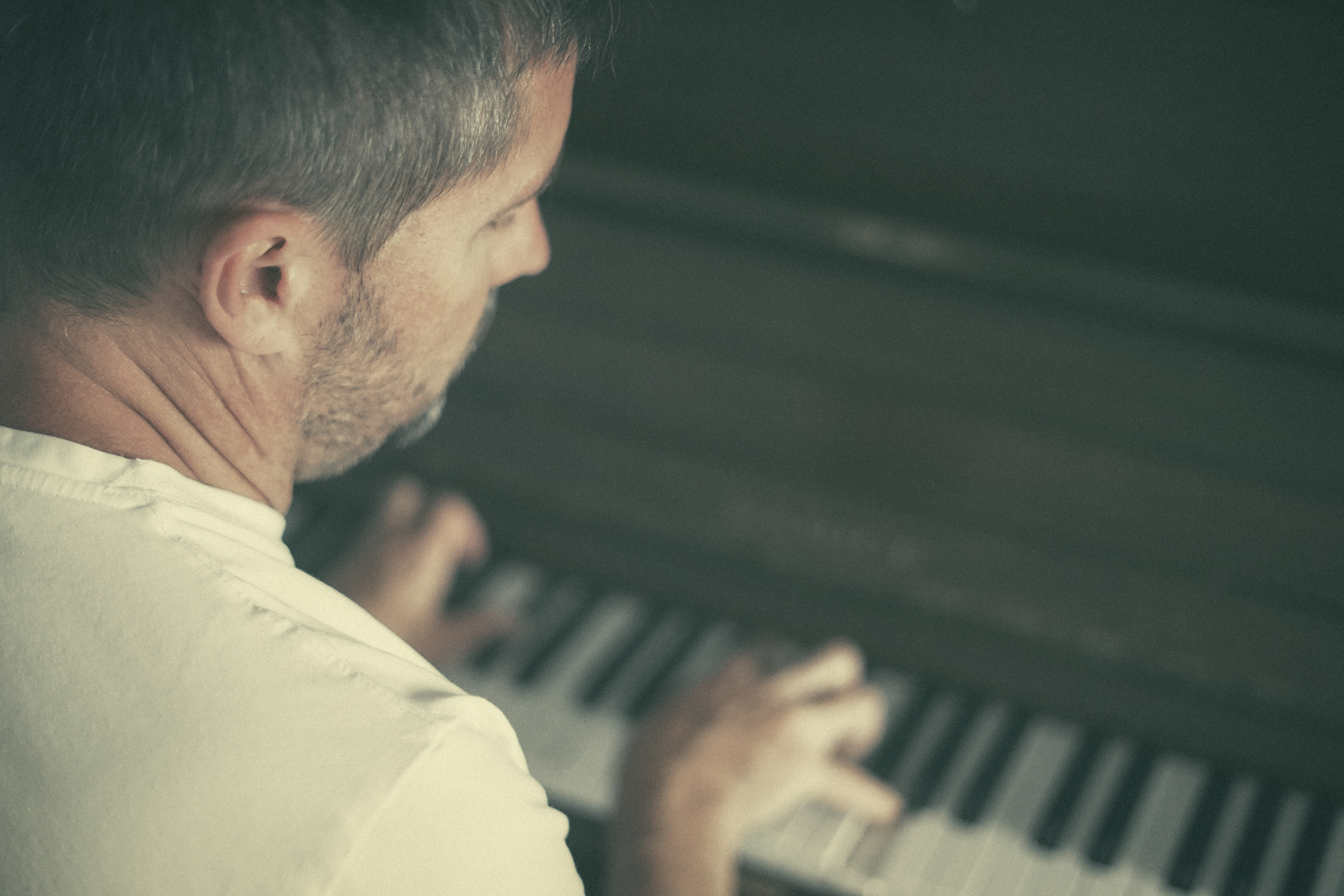
Behind The Scenes with: blochemy
In this week's blog post we head behind the scenes with Radim, who records as blochemy. He has been making electronic music for around 30 years, and this is his fifth release for Whitelabrecs, so it felt like a good time to find out a little more about the person and process behind the music.
This conversation with Akira Film Script takes us back to the beginnings of blochemy in the mid-90s, from DJing in Ostrava and discovering IDM through artists like Aphex Twin, Boards of Canada and Autechre, to the various stages of his musical journey that eventually led him towards ambient music. Radim also talks about his ever-changing collection of hardware and software, his love of tape and field recordings, and why he prefers to explore different tools rather than build a fixed setup.
Turning specifically to elyth, we explore how the album gradually emerged from a much larger pool of sketches, improvisations and experiments, rather than being created with a particular album in mind. Radim discusses the made-up title, the beautiful artwork by nkI, and the imperfect qualities of tape that have become such an important part of his sound.
Hey Radim, first off, thank you for making the time to sit and chat with me today about the blochemy project in general, but also your new Whitelabrecs release, the incredible "elyth" album. While it's hard to believe some folks may not know about blochemy, we do have quite a few newcomers; can you give us a bit of background on the blochemy project? How long have you been at it, maybe a bit about previous projects or other projects that you've worked on concurrently with the blochemy project? And, a bit about yourself personally?
Blochemy actually started around 1995, although at that time it was more of a DJ name than a music project. A friend and I used to play in clubs around Ostrava city, mostly minimal and Detroit techno at first, and later we got more interested in playing house as well.
I already had some musical background, though. As a kid I spent four or five years playing accordion at a local music school, so when I got into electronic music I naturally became curious about synthesizers and making music myself. This was the mid-90s, so making electronic music on a computer was obviously a very different experience from what it is today. The possibilities were pretty limited, but my parents were very supportive. They helped me get a reasonably powerful computer for the time, a decent sound card and a Casio MIDI synthesizer, and I started putting things together.
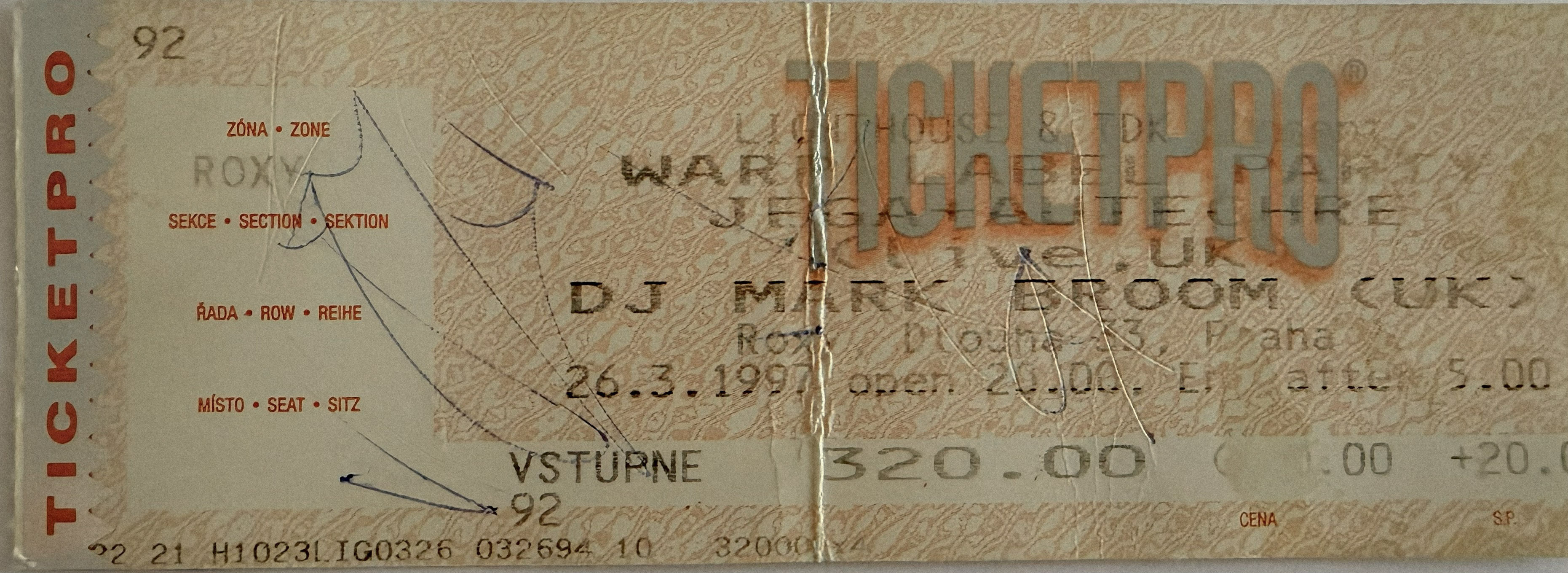
At first I was making minimal techno, but then I discovered the IDM scene, especially artists like Aphex Twin, Boards of Canada and Autechre, and that had a huge impact on me. I started moving more towards IDM and experimental electronic music. I actually gave Rob Brown and Sean Booth from Autechre a demo of mine on cassette after their concert in Prague in 1997. I also got them to sign my ticket - and my wrist. I think I went at least three days without washing my wrist afterwards because I didn't want to lose the signature. :)
I continued DJing occasionally, although it was always quite sporadic. I also spent some time living in England and Northern Ireland, and I kept making music throughout that period. At one point a friend and I were even putting out little cassette series ourselves, paying for everything out of our own pockets and mainly giving them to friends.
My first proper digital album came out in 2013 on the New York label Clean Error Records. I was still very much focused on IDM at that point, but over the years I gradually started spending more and more time making ambient music. That's really where I feel most at home now, and it's still something that gives me a lot of pleasure.
I've always worked in cycles, though. Sometimes I make a lot of music and then I'll go through periods where I barely make anything at all. I think of those as my little musical hiatuses. During those periods I'm not really making music - I'm just consuming it, listening to other people's work and letting things settle a bit.
That's funny about your Booth/Brown story - I've often likened blochemy to "the ambient Autechre" in conversations within the community; I had no idea you'd met and submitted something to them, haha.
With around 30 years exploring electronic music, I have to assume you've collected a few integral pieces to creating the 'blochemy sound' - are there any acoustic or electronic instruments or devices you see yourself continuing to gravitate towards for musical projects over the years? Any new favorite additions to your sonic arsenal that have come along more recently?
I've gone through quite a lot of hardware and software over the years, so I don't think I could say there's one particular piece of gear that defines the blochemy sound. It really depends on what I'm doing at the time.
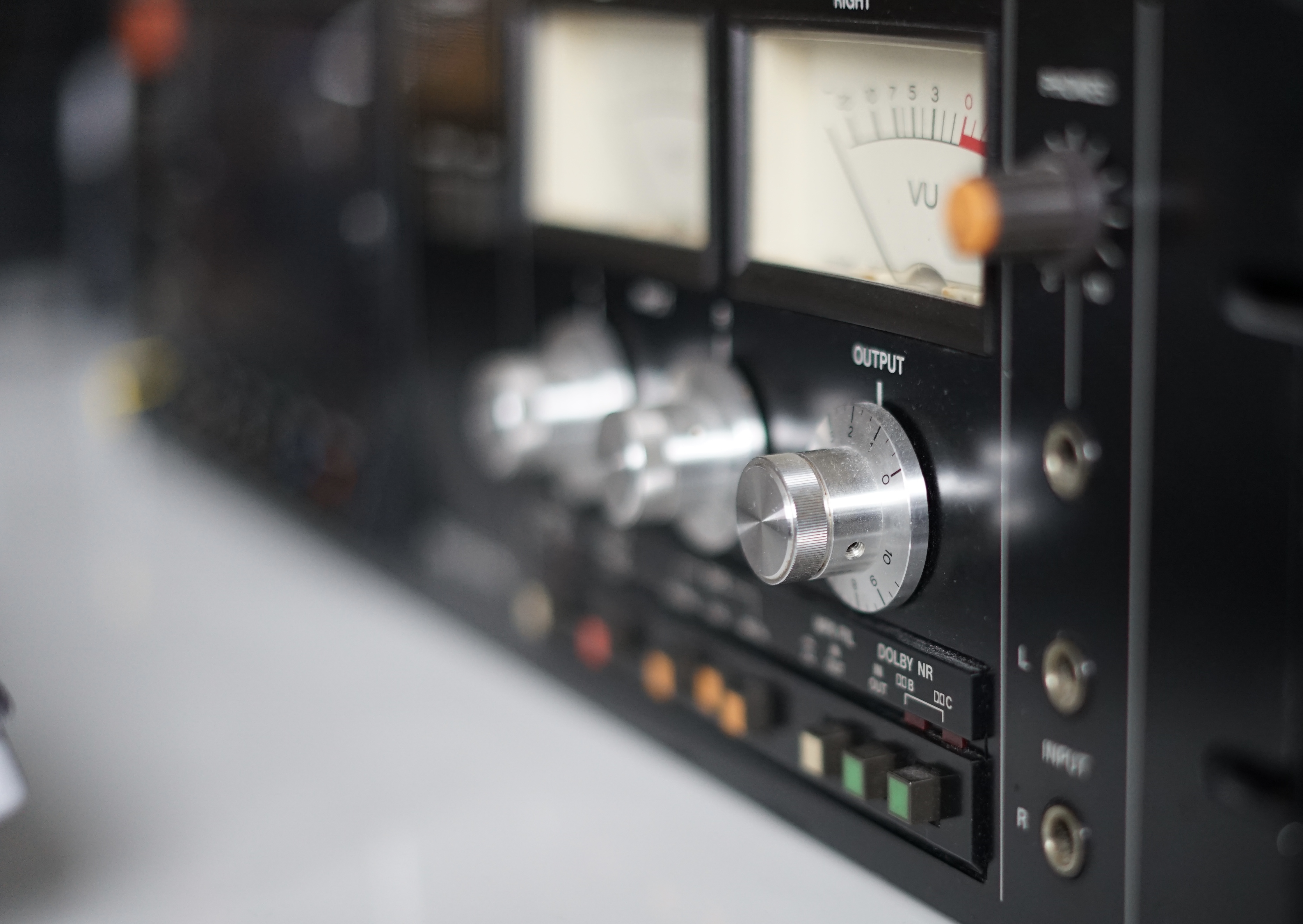
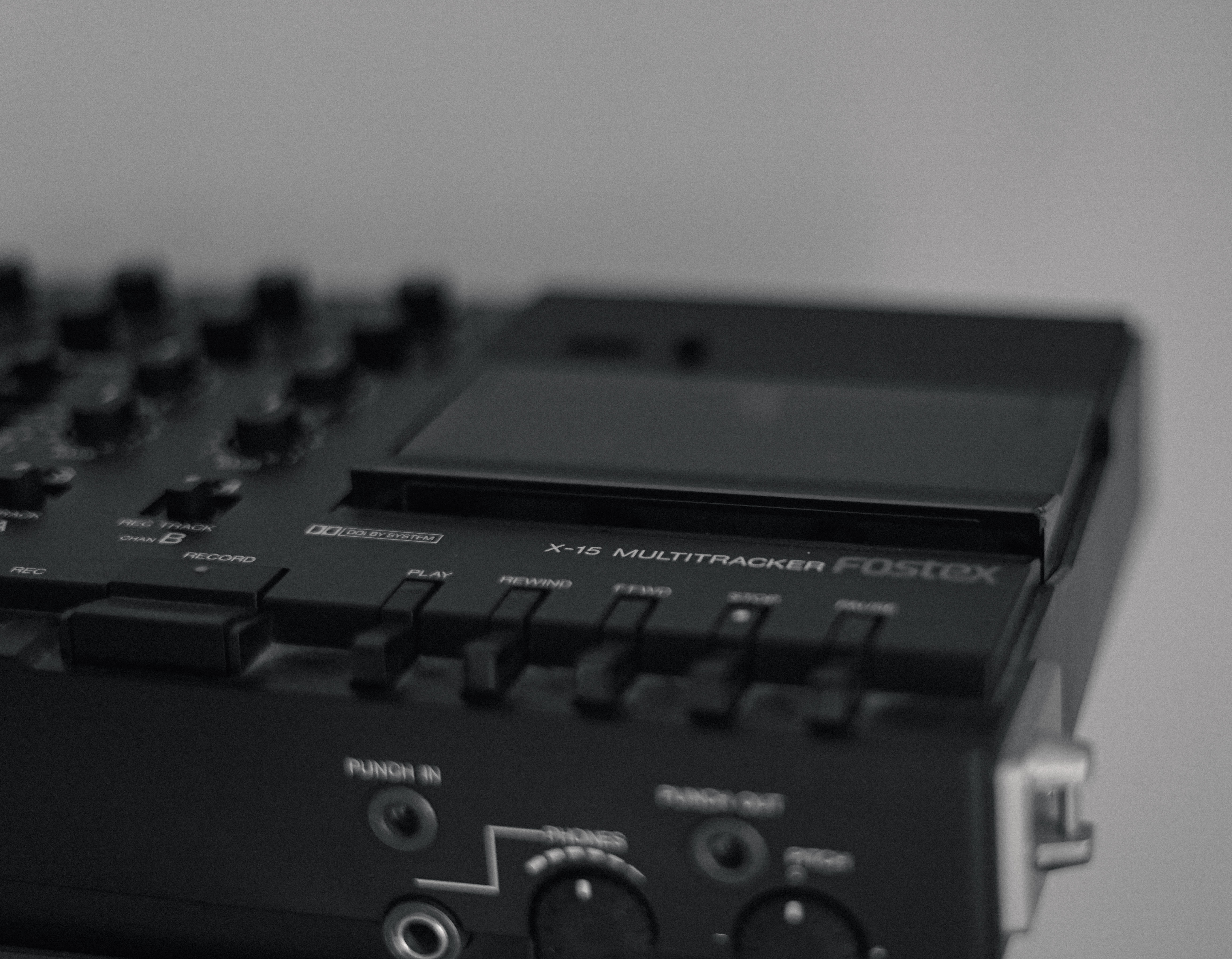
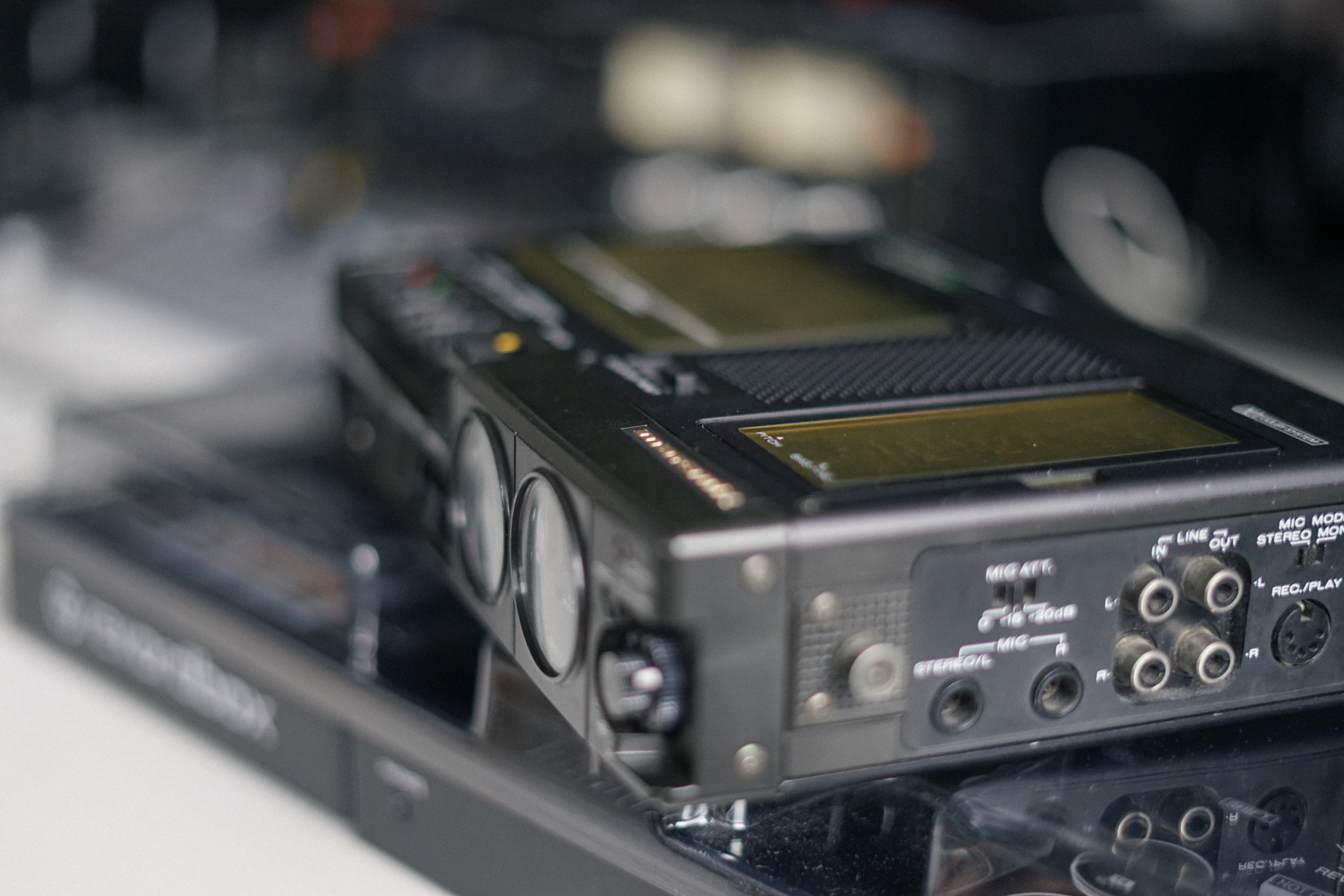
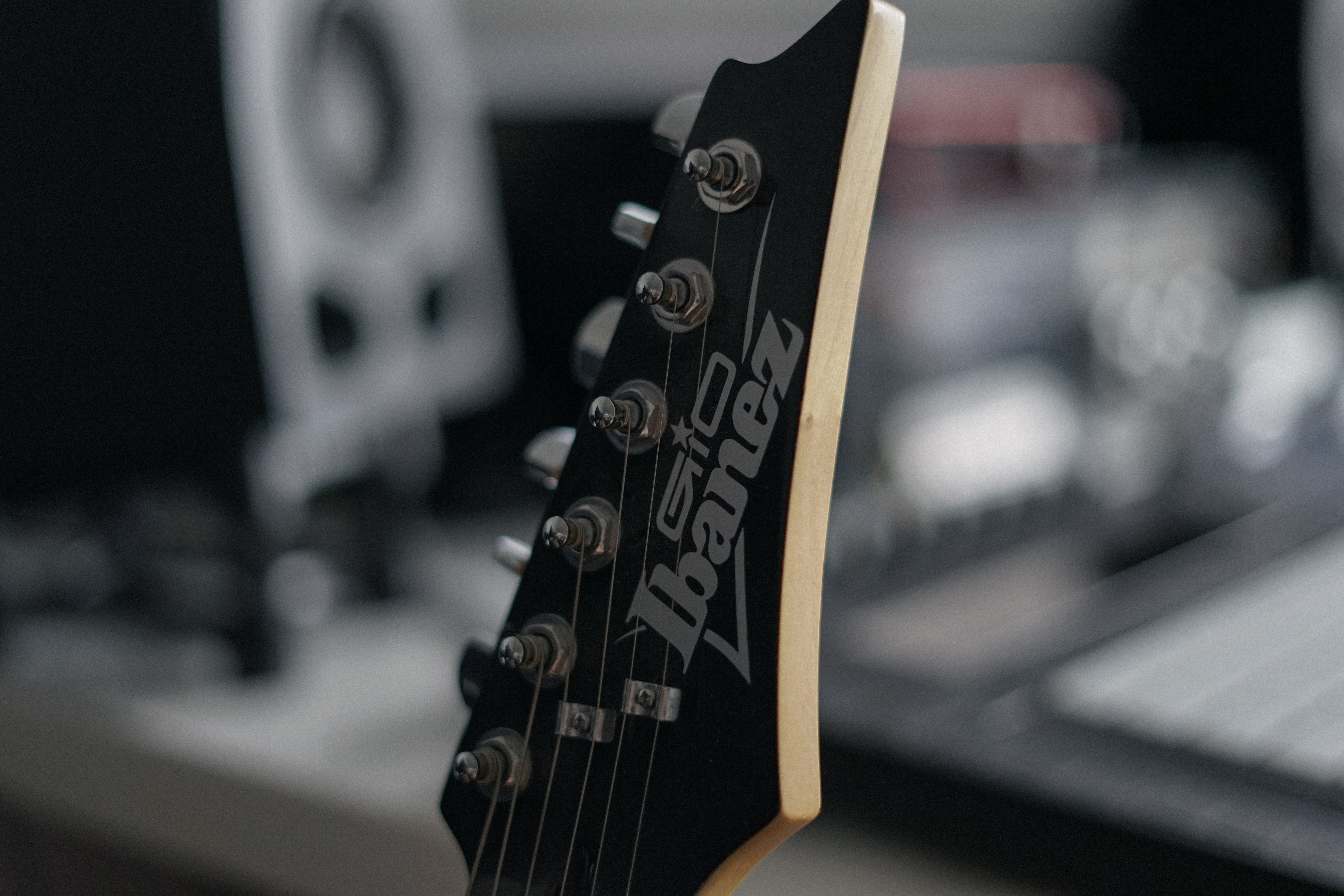
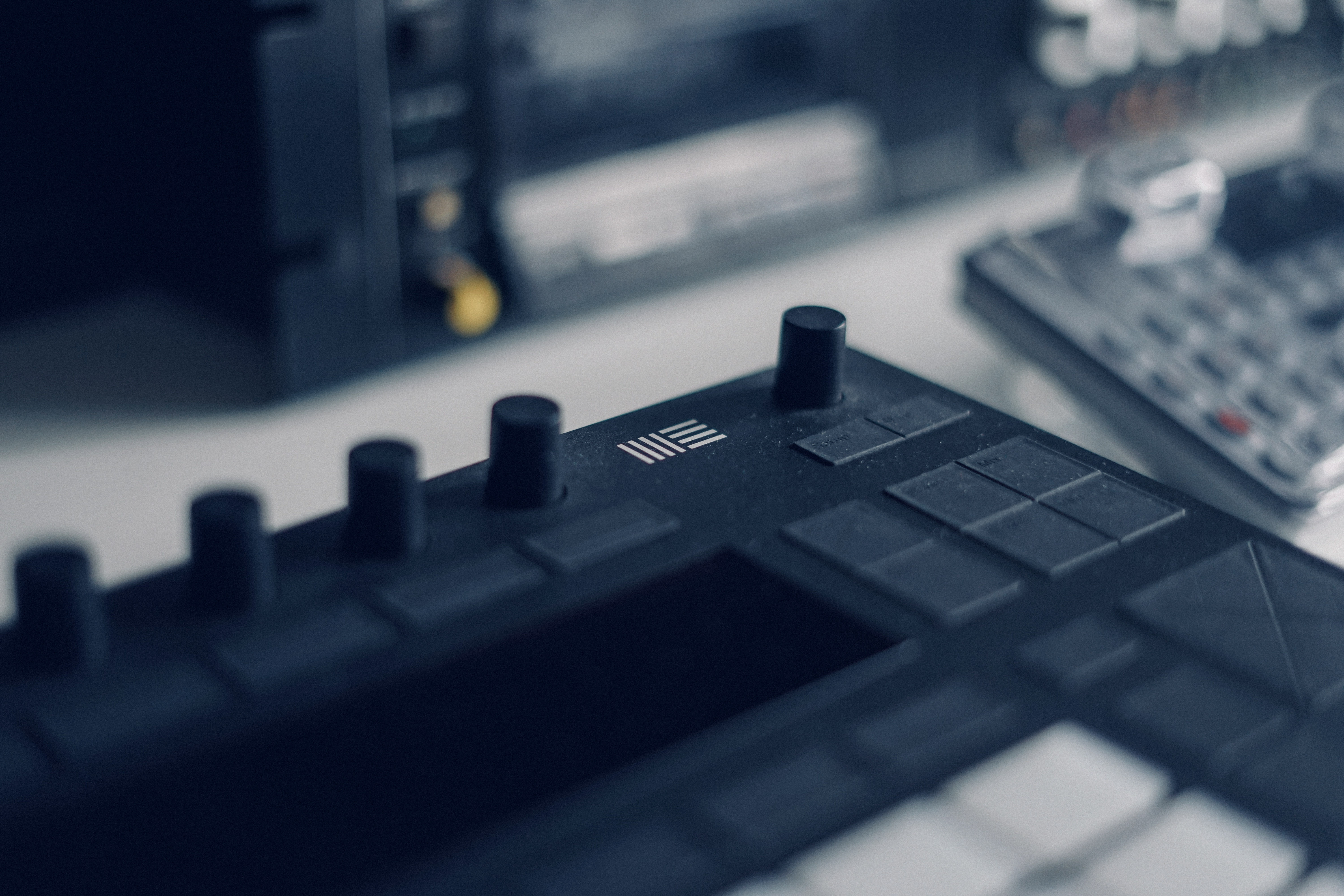
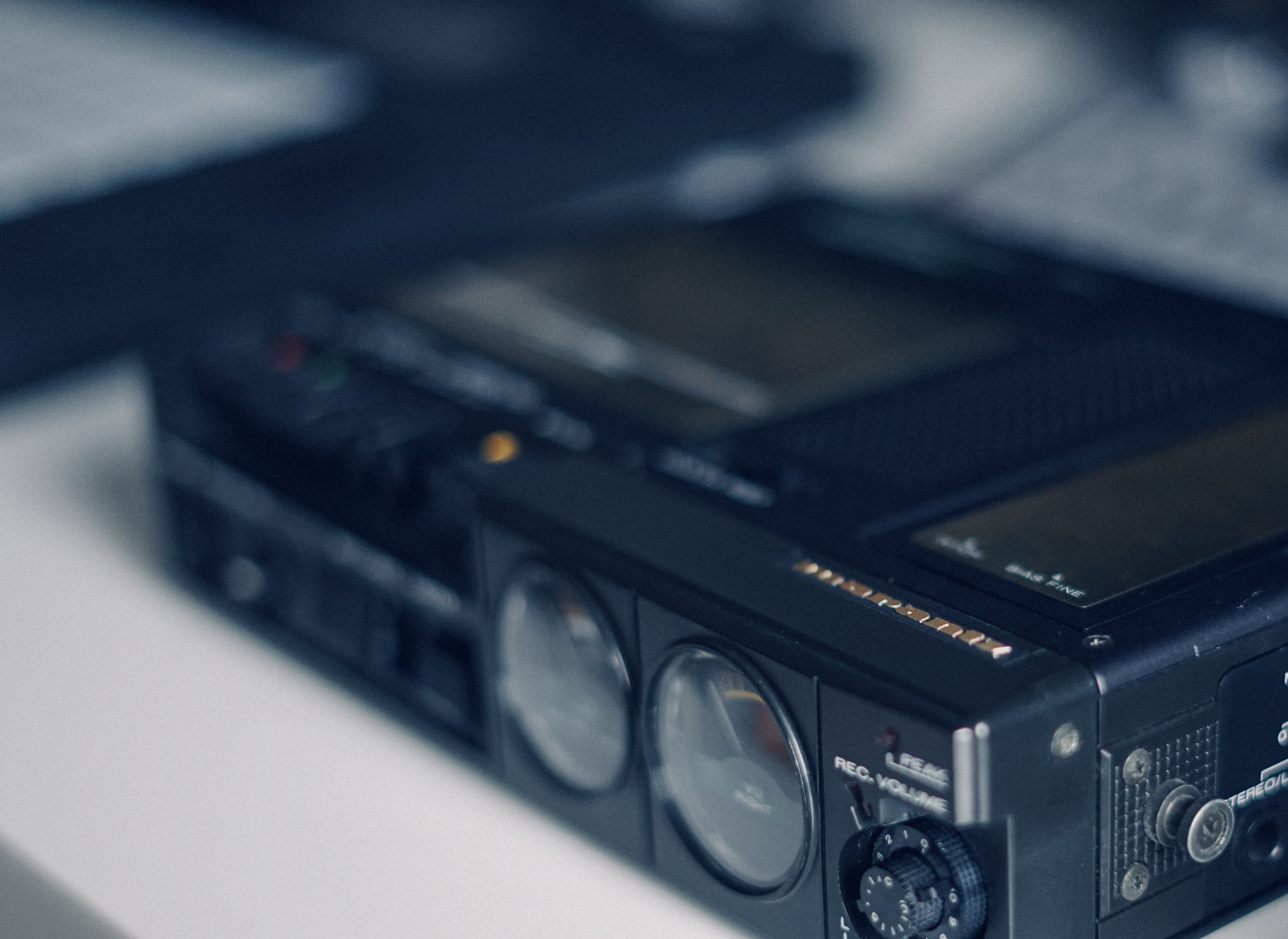
My main setup these days is Ableton Live with Max for Live, together with a selection of plugins from Native Instruments, especially Reaktor and Kontakt, as well as FabFilter, Arturia, Oeksound and others. I also use an iPad running AUM with various iOS instruments, a Teenage Engineering OP-1, a Tascam 112 tape recorder, a Marantz CP230, a Tascam 4-Track Portastudio 414 and other cassette recorders, Roland Boutique synthesizers, an electric guitar, a piano and a kalimba.
I actually enjoy moving between different tools rather than having one fixed setup. Sometimes I'll work almost entirely in software, sometimes a cassette recorder or a guitar becomes much more important. Field recordings are also a big part of my palette.
I think I'm more interested in what I can discover with a particular instrument than in the instrument itself. I'm always looking for textures and unexpected combinations rather than trying to build a perfect or technically impressive setup.
It shows in your works - diverse in their sound palettes, but always focused on texture and what appear like lowercase elements. Your use of tape doesn't go unnoticed either; a favorite amongst many of us in the scene.
Seems you and I share releases on a few incredible labels like Shimmering Moods, ROHS!, and of course Whitelabrecs; as I like to go back to the labels that are great support to independent artists like ourselves, this is your FIFTH release with Whitelabrecs - not to put him on the spot or anything, but what do enjoy most about working with Harry after all these years? Any good words to share on the other labels you've worked with outside of Whitelabrecs that you'd like to share with other independent musicians in the ambient/neoclassical/electro-acoustic spaces?
I've been working with Harry for quite a long time now, and it's always been a pleasure. He's always been very accommodating and we've always been able to find a way to work things out. He's a real professional and I have a lot of respect for him.
What I admire perhaps most is the amount of energy he puts into this small ambient community. Running an independent label and supporting artists takes an incredible amount of work, and I think people sometimes don't realise just how much time and effort goes into it. So I have a huge amount of respect for Harry and for what he's doing with Whitelabrecs. That's probably the simplest answer to why I keep coming back.
I've been very fortunate with the other labels I've worked with too - Hibernate, Shimmering Moods, Driftworks, Krysalisound, Sun Sea Sky, ROHS!, Elm Records and Clean Error Records, among others. I've had really good experiences with all of them and I'm genuinely grateful that they gave my music a place.
I think the whole independent ambient scene deserves a lot of credit. There are so many people quietly putting huge amounts of work into supporting this community, often without much financial reward. It's something I really appreciate.
These are some of the greats that uphold these labors of love, for sure. Hats off to all of them for making such a wonderful community, and fostering creativity from independent artists.
With such an indelible body of work, do you often go into a project with the intention of creating a full album, or do things progress over time, and albums form from larger pools of compositions? Do you find yourself revisiting works over time, or do you go in on a project, finish, then move on with new creations?
I don't actually make music with the intention of releasing an album. I have an incredible amount of material that has never been released, and that's completely fine with me. I simply enjoy making music and creating things that I would like to listen to myself.
Most of my music starts as a sketch or an improvisation. I rarely know where something is going when I start. Sometimes I'll make a small idea and leave it alone for months, then come back to it and start adding things, changing textures or finding new sounds.
In that sense, I sometimes feel more like a painter than a composer. I add colours, except my colours are textures, melodies, sounds and small details. I'm also quite happy to go back to older unfinished pieces and see if there's still something there.
Chance plays a big part in the process too. Sometimes something happens accidentally that I could never have consciously created myself, and I really like that. Those moments of discovery are one of the reasons I enjoy making music.
So albums tend to emerge from a much larger pool of material. At some point I realise that certain pieces belong together, and then I start shaping them into an album.
It's amazing that you have a deep pool of work like that, but probably not entirely surprising given how long you've been at it. And, yes, discovery is a key component to keeping one's self fascinated with the process, especially this many years on.
Now, focusing in on "elyth," is there meaning behind the album title?
There's actually no particular meaning behind the word elyth. It's a made-up word.
I was looking for something that simply sounded right to me, and somehow elyth felt like it belonged to this album. Sometimes I think a title doesn't necessarily need to have a literal meaning. If a word has the right sound and feeling, that's enough for me.
Well done - it does sound perfect for representing this set, and how very IDM of you to make up a word, haha.
For the stunning album art, who is the artist and how did you come to know of their work?
Harry works with a visual artist called nkI, and he showed me some of nkI's work during the process. We both felt that this particular collage suited the music and the atmosphere of elyth, so we decided to go with it.
It was actually quite a simple process - we both liked it, and it just felt right for the album.
Ah, yes, another great visual piece from nkl - wonderful!
For the "elyth" recording sessions, was there a specific gear setup for this set of compositions? I'm to understand there wasn't a conventional narrative for the project; was there some other unifying factor or theme, possibly in the instruments used across the album, or a certain device chain setup?
There wasn't really a specific, carefully planned setup for elyth. The album grew in much the same way as most of my music does, through improvisation and experimentation.
I used Ableton Live, Max for Live, various software instruments and effects, as well as hardware synthesizers. I also used my electric guitar, which I really enjoy playing, partly because I like the organic, slightly imperfect character of its sound.
There are also quite a lot of field recordings in my music. I like bringing sounds from the outside world into the process and putting them together with electronic textures.
The setup changes from piece to piece, so I don't really think of the album as being built around one particular chain of instruments. The common element is more the way I work with the sounds – letting them evolve, interact and sometimes behave in ways I didn't expect.
It sounds like tape has taken center stage for the compositions; can you tell us what it is about tape that attracts you, and why you enjoy working with it as a sound medium? Are you working from actual tape, tape VSTs/emulators/pedals, or all the above?
I've always liked working with cassette tape, and I still use actual tape quite often. I have a Tascam 112 that I regularly use for recording and processing things, as well as a Marantz CP230.
At the same time, I use a lot of tape emulations, VSTs, Max for Live devices and Reaktor ensembles. So it's a mixture of real tape and digital tools that try to capture some of its character.
I also used to have a Chase Bliss Generation Loss MkII pedal. I eventually sold it because I couldn't really justify the price for what it added to my particular workflow. That's not to say I don't think it's a great pedal - I can definitely see why Chase Bliss pedals can be incredibly useful, especially for live performance and more hands-on setups. It just wasn't something I personally needed enough to justify keeping it.
What I like about tape is the imperfection. It can add noise, instability, saturation and a certain sense of movement to a sound.
I'm not interested in tape simply because it sounds “vintage”. I like the way it can make a sound feel more physical and less perfect. Sometimes a small imperfection is exactly what makes a sound interesting.
I'm right there with you on the tape front.
Observation is a big theme on the album from what I understand; can you elaborate on that observation? Was there something going on in your life at the time of the project's creation that you found these compositions to help you slow down and observe, or was it more to observe things in general around yourself at a slower pace?
I think this became more important to me over the last few years.
The everyday rush and stress of life and work made me realise how little time and space we sometimes have simply to observe things. When I was a kid and a young man, before I had all the responsibilities and worries of adult life, there was much more room for that kind of observation. I didn't necessarily think about it at the time - it was just part of life.
Now I really appreciate those moments when I can slow down and simply be present.
Ambient music gives me a way of experiencing that again. It can almost stop the world around you for a while. You don't have to solve anything or achieve anything; you can just listen and exist for a moment without thinking about all the things waiting for you outside.
I think that's probably where the idea of observation in elyth comes from. I wasn't trying to tell a specific story or express one particular emotion. I was more interested in creating a space where time could slow down a little.
Man, I miss those days too. I do seek moments like that nowadays, but between work and family, they are admittedly fewer and further between, and music like yours does allow me those moments you seek to create, so I'd have to say your efforts are not in vain.
Being in ambient music for as long as you have, is there any advice you'd give to either newcomers in the space, or folks interested in trying their hand at ambient music for the first time nowadays?
I would probably tell people not to worry too much about hardware or software. Don't spend a lot of money on gear just because you think you need it to make good music.
People starting today have incredible possibilities compared with what we had in the 1990s. There are amazing instruments, software and tutorials available to almost everyone.
But I think sometimes having too many possibilities can actually become a problem. You can spend so much time choosing instruments, building complicated setups, learning new software and trying different things that you eventually have very little time left for actually making music.
For me, less can sometimes mean more.
My main advice would probably be: get the maximum out of the minimum. Learn to really explore the tools you already have before constantly looking for something new. Limitations can actually be very useful because they force you to be creative with what you've got.
Sage advice.
Inside the Inner Echo community we're always sharing music we love, both new and old; any classic albums that you return to year after year that you'd like to share with us? And, any newer albums or artists you're currently excited about?
I listen to music constantly. It's probably one of the most important parts of my life, even though it isn't what I make my living from.
I listen while I'm working at the computer, in the car, at home in the evening, on holiday… basically whenever I have the opportunity. I listen to almost everything that comes out and crosses my path. Sometimes something catches me and I can listen to the same album or track over and over again.
Most of the time, though, I naturally end up listening to ambient music, simply because that's where my interests are.
I don't really want to name specific albums or artists here because I'd inevitably leave somebody out, and there are so many great musicians working today. That's actually one of the things I find most exciting about the scene – there is an incredible amount of really good music being released, much of it by artists who aren't particularly well known.
I've also become more interested in listening to music on vinyl, and lately I've been upgrading my hi-fi system, so I'm enjoying the whole listening experience in a different way as well.
One thing I think about quite often is how difficult it is to judge the quality of music by its popularity. There is so much fantastic music that remains relatively unknown. In some ways it feels almost paradoxical – with access to more music than ever, popularity and quality seem increasingly disconnected.
You're not wrong. Many of my more recent favorites have been lesser-known albums or artists, some of which go back decades (shout out to Numero, A Light in the Attic, and other labels of the ilk for keeping older music and scenes alive for modern listeners).
And, before I let you get back to things, any live shows or performances on the horizon folks should be on the lookout for?
I don't really do live shows anymore, and honestly, I don't think I miss them.
I experimented with performing live when I was younger, back in the late 90s, and I found it incredibly stressful. I was always worried about whether everything would work, whether something would go wrong or whether I would make a mistake. I wasn't really enjoying the experience.
These days I much prefer the intimacy of making music quietly at home, without that pressure. That's where I feel comfortable and where I can really enjoy the process.
So I'll leave the live shows to other people. It's just not really for me.
You're not alone in that - I've had many people over the last few years say something similar. You're your best creative self when you're in a space you enjoy, and feel comfort, even if it's just your home studio, or the like.
Radim, it was a pleasure chatting with you today - all my best, and until next time!
It was a pleasure talking with you too, Ryan. Thanks for taking the time and for giving me the opportunity to talk about blochemy and elyth. I really appreciate it.
We hope you enjoyed this interview! To explore more about the artists, you can follow the links below...
'elyth' is available in a limited repress of 100 vinyl-effect CDrs, as well as a digital options in a range of high quality formats. You can take a listen to the album in full HERE!

